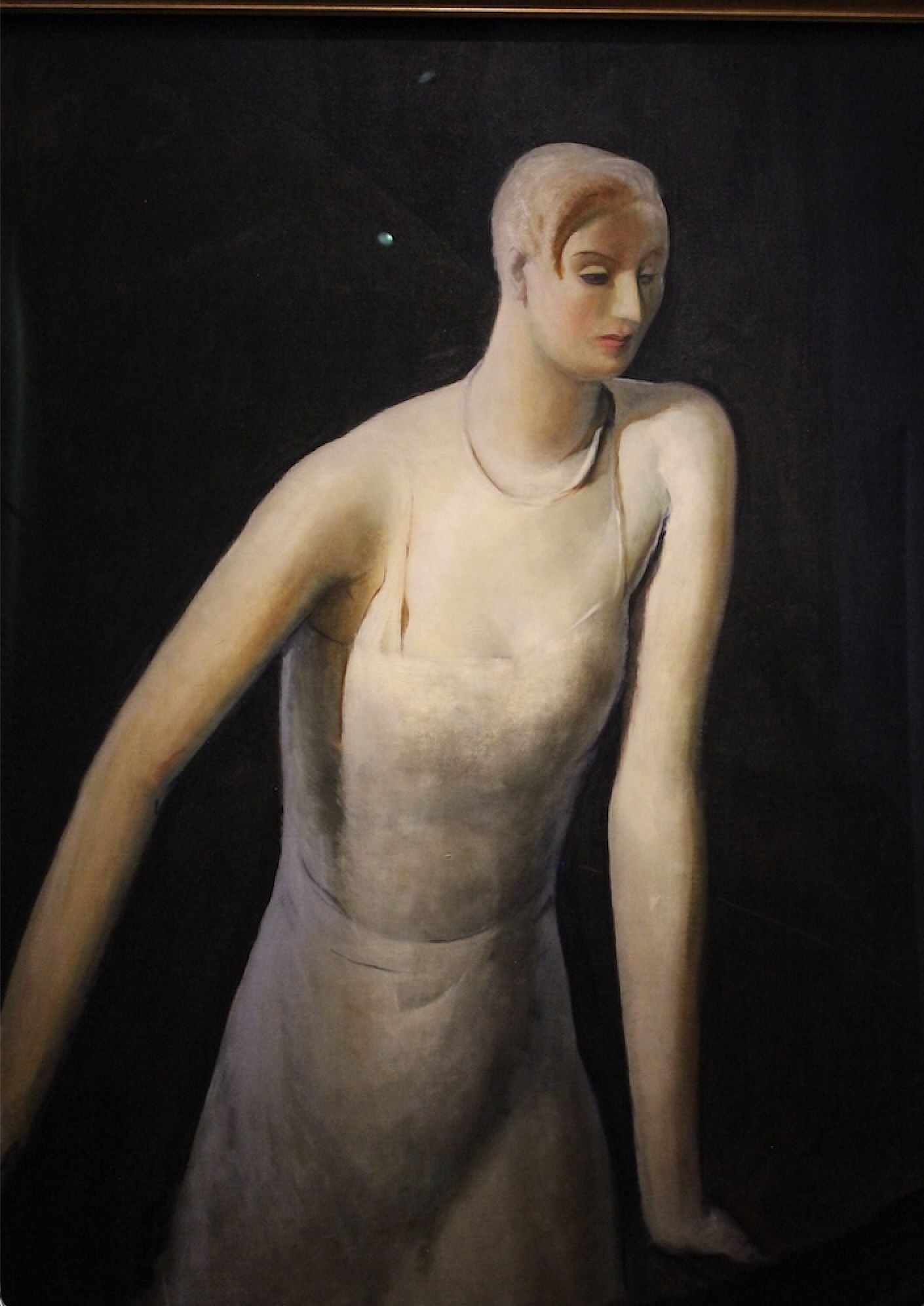
Edward Hopper: Solitary Figure in the Theater
A Parisian Woman in America by Beatrice Brandini
From October 14, 2026, to March 7, 2027, Palazzo Blu in Pisa presents “Edward Hopper: New York and Beyond,” a major exhibition dedicated to one of the most important American artists of the 20th century, renowned for his depictions of solitude, silence, and fragments of modern life.
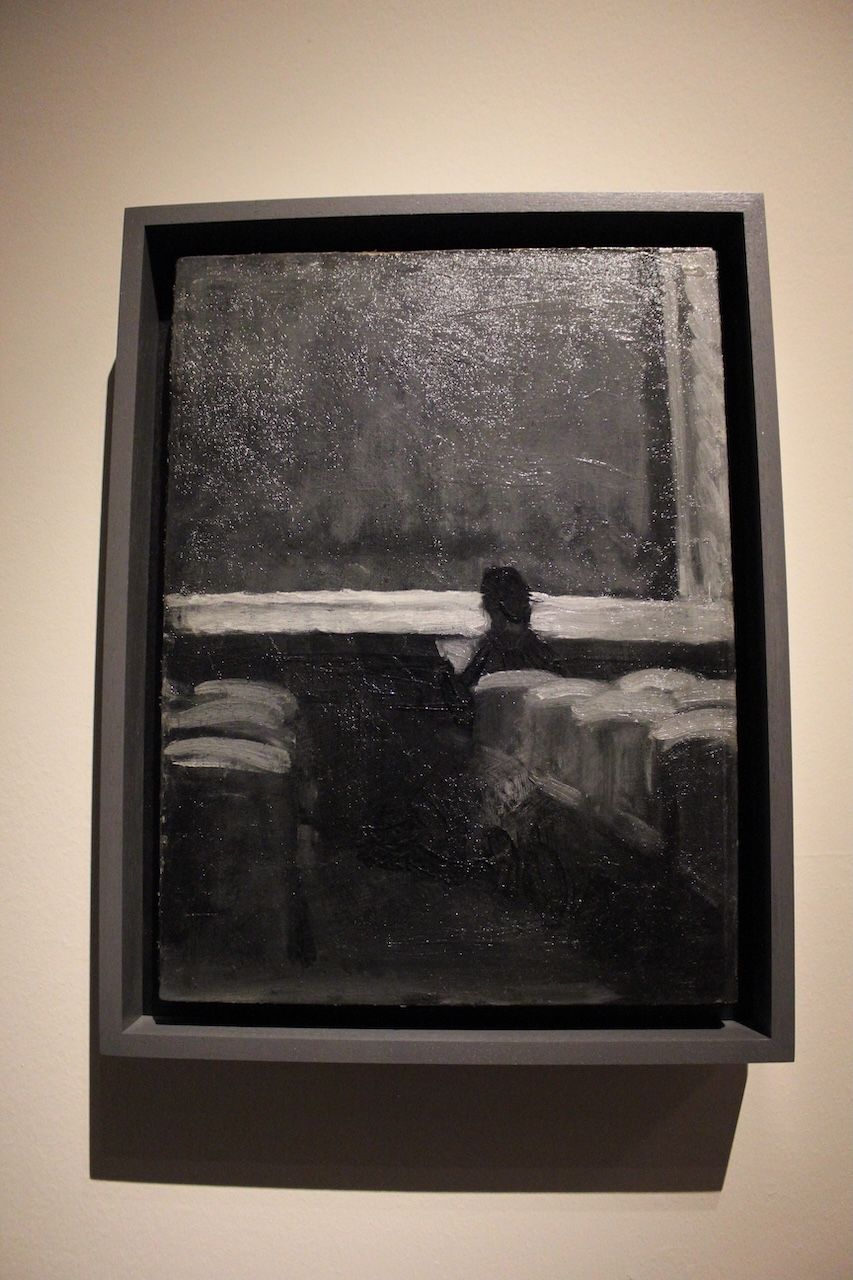
A work by Edward Hopper
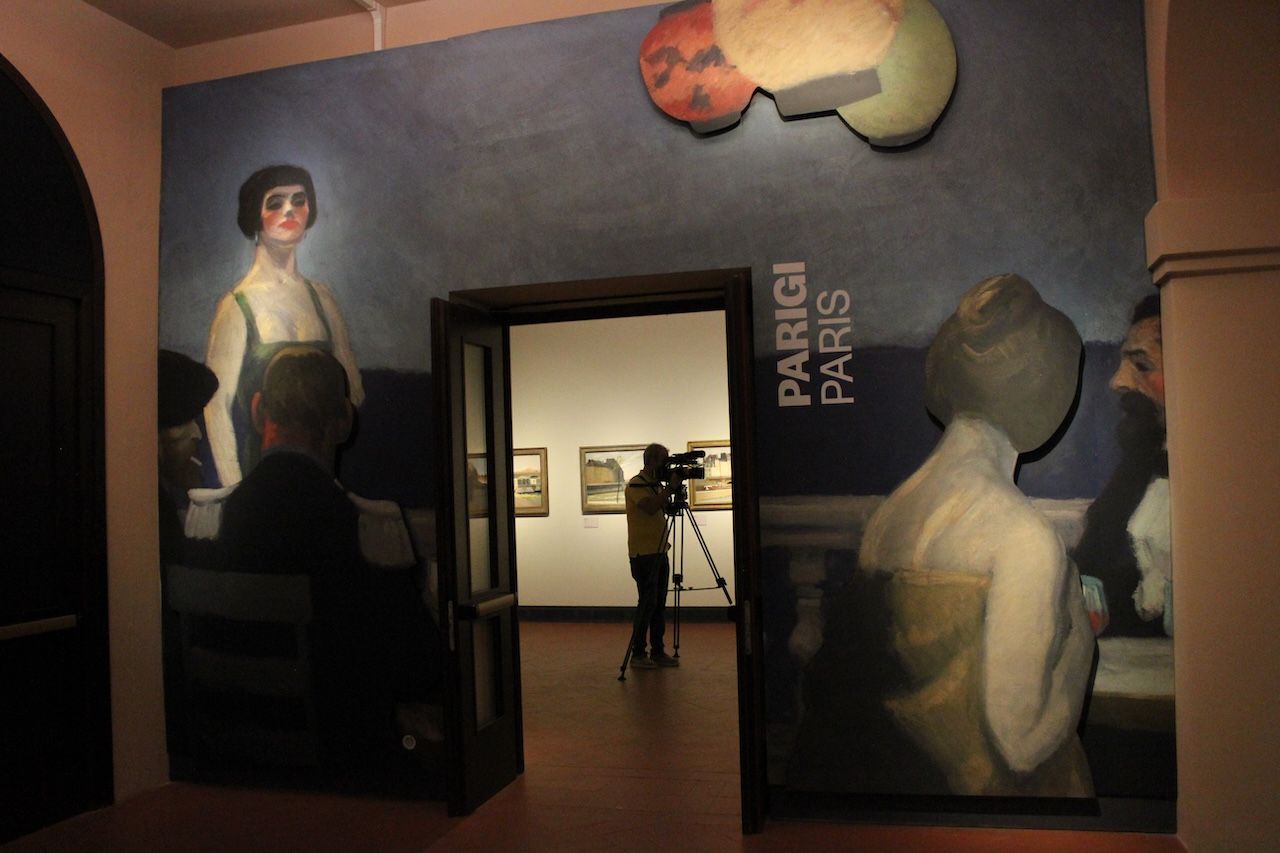
A view of the exhibition “Edward Hopper: New York and Beyond”
The exhibition brings together over 150 works by Edward Hopper—including oil paintings, drawings, watercolors, and etchings—drawn from the collections of the Whitney Museum of American Art in New York. The Whitney also organized the exhibition in partnership with the Fondazione Palazzo Blu and MondoMostre, with the support of the Fondazione Pisa; it is curated by Barbara Haskell and Caroline Webb, curator and assistant curator, respectively, at the Whitney Museum of American Art.
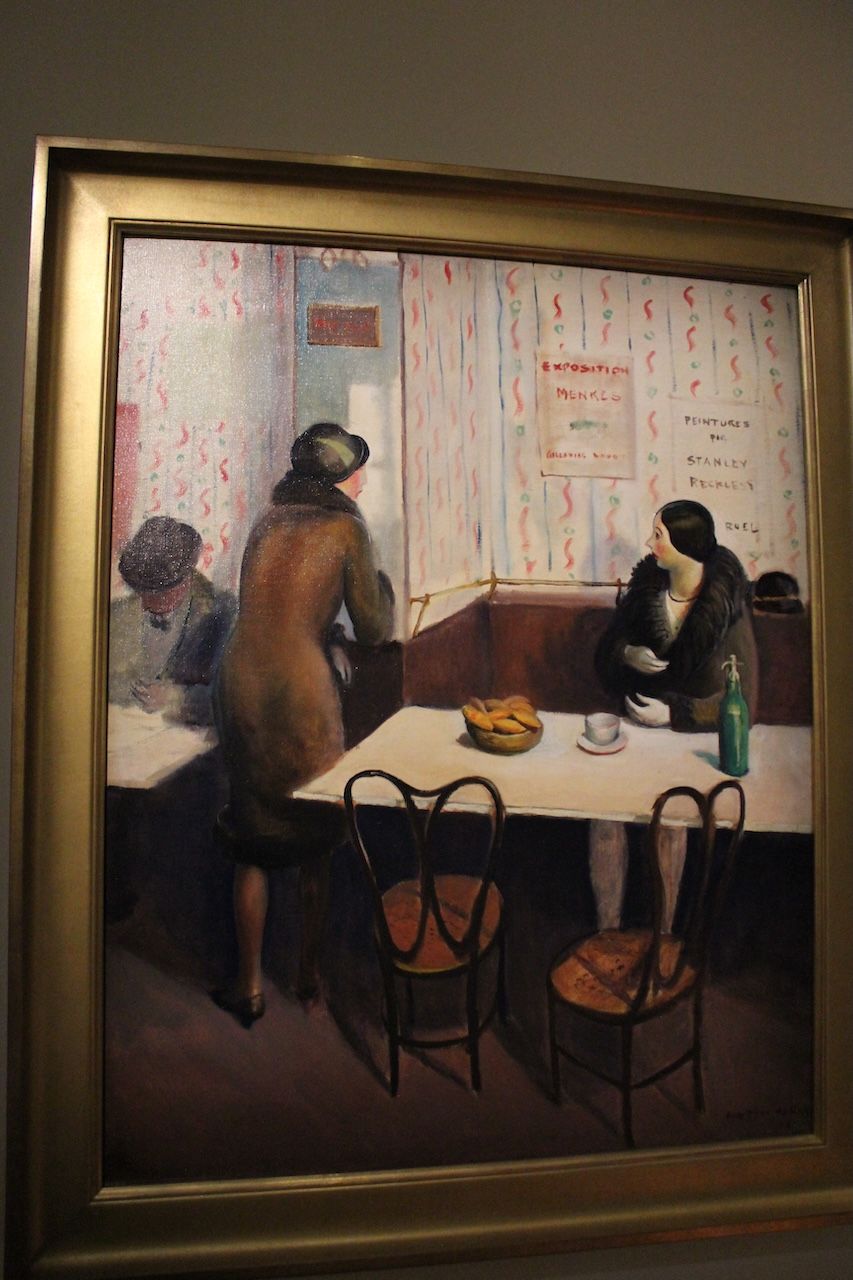
A work by Edward Hopper
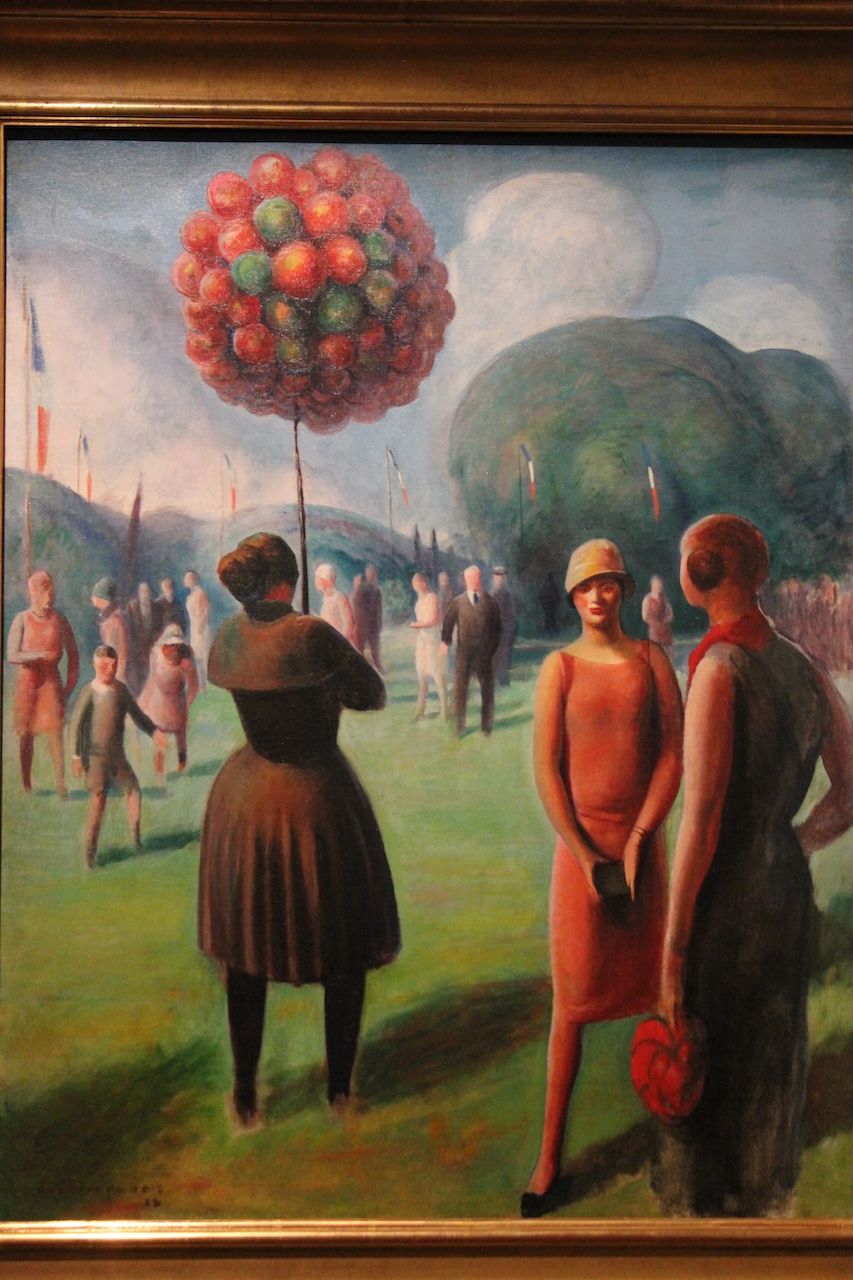
A work by Edward Hopper
The exhibition highlights the breadth of Hopper’s body of work by focusing on the places where he lived and which profoundly influenced his artistic vision—such as New York, Paris, and New England.
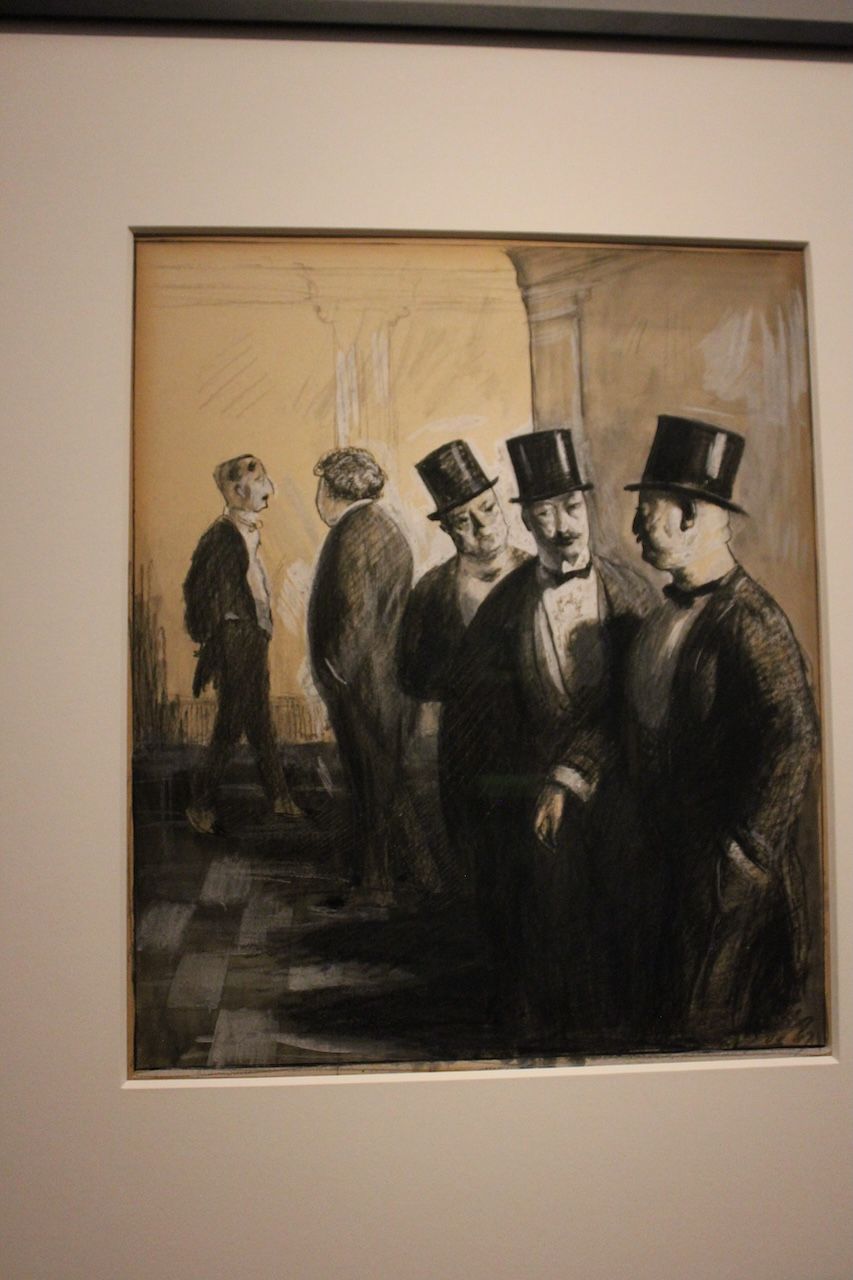
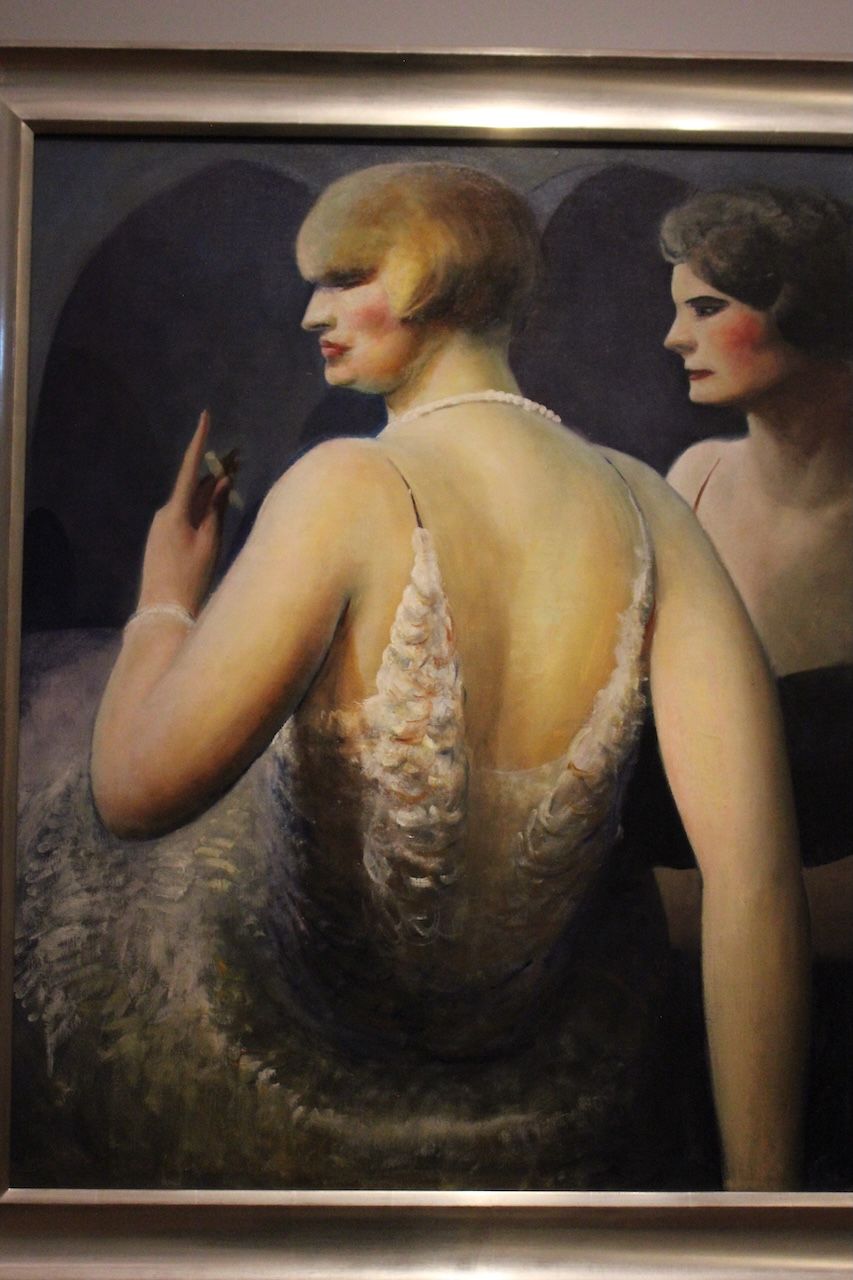
Two masterpieces by Edward Hopper; on the right, *Solitary Figure in Theater* (1902–1904)
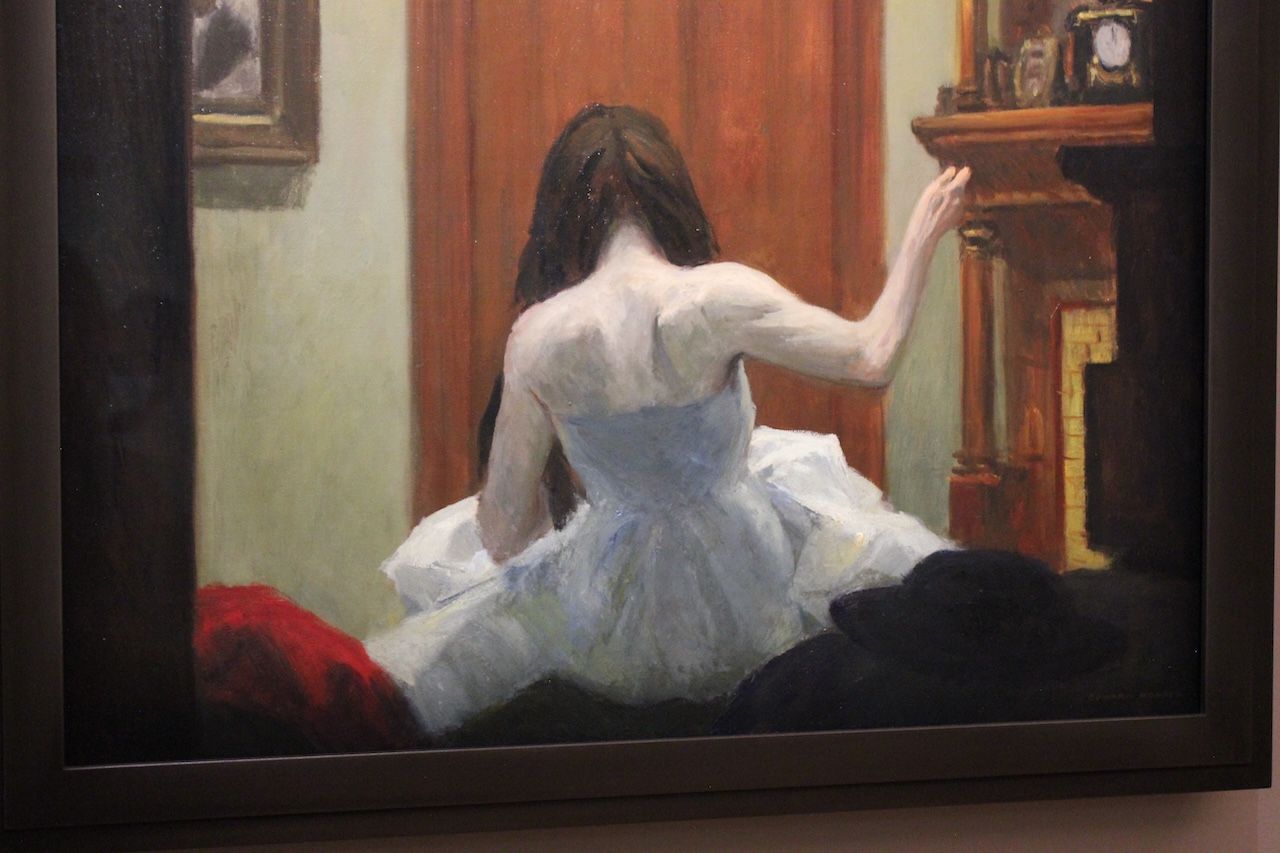
New York interior 1921, Edward Hopper
Born in 1882 in Nyack, New York, Hopper initially worked as a freelance illustrator, creating covers, advertisements, and magazine images. What began as a means of economic survival became a crucial training ground. Able to capture gestures, details, and the psychology of his subjects in a quick sketch, Hopper would later leverage this skill in the creation of his masterpieces.
Hopper lived through a period of great change—spanning the 1920s and the Great Depression—which he depicted in his paintings primarily through the solitude of his subjects.
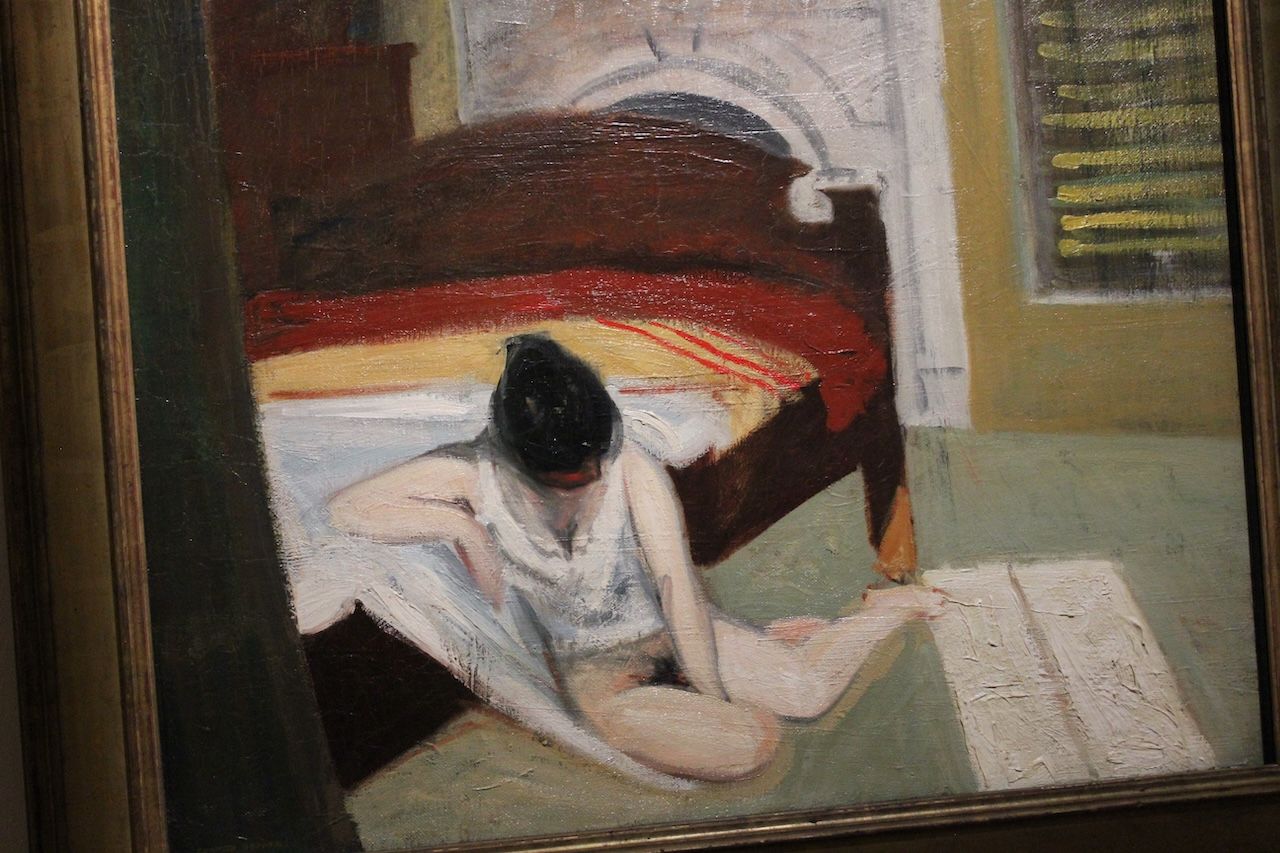
A work by Edward Hopper
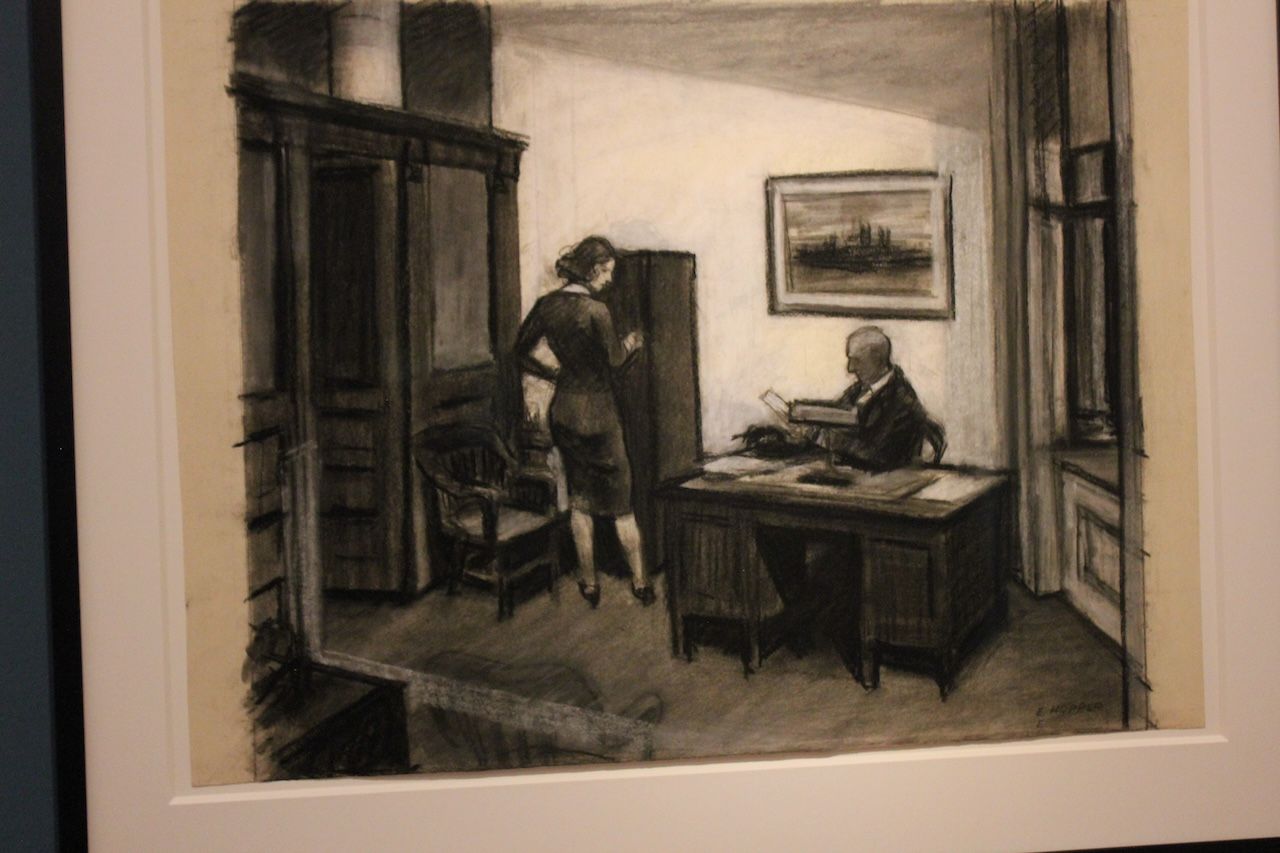
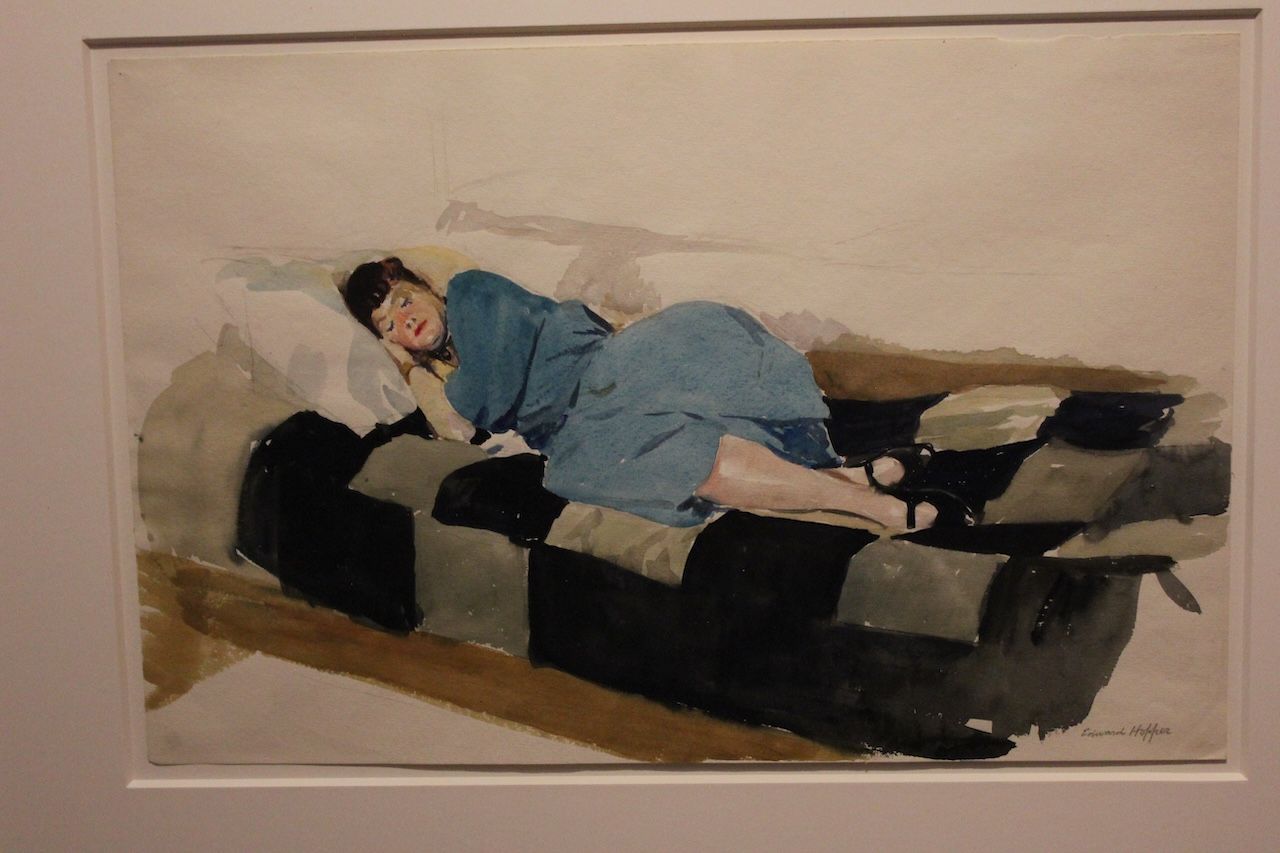
Two masterpieces by Edward Hopper
Three key locations defined his painting: Paris, where he encountered Impressionism and European art, and studied the effects of natural light—an element that would deeply influence his work; New York, the hub of his artistic career, where he painted streets, buildings, offices, and shops, choosing to portray a city that was silent rather than chaotic, almost motionless, and perpetually melancholic; and finally, New England, where nature and landscape took center stage, and where he painted lighthouses, isolated houses, and seascapes.
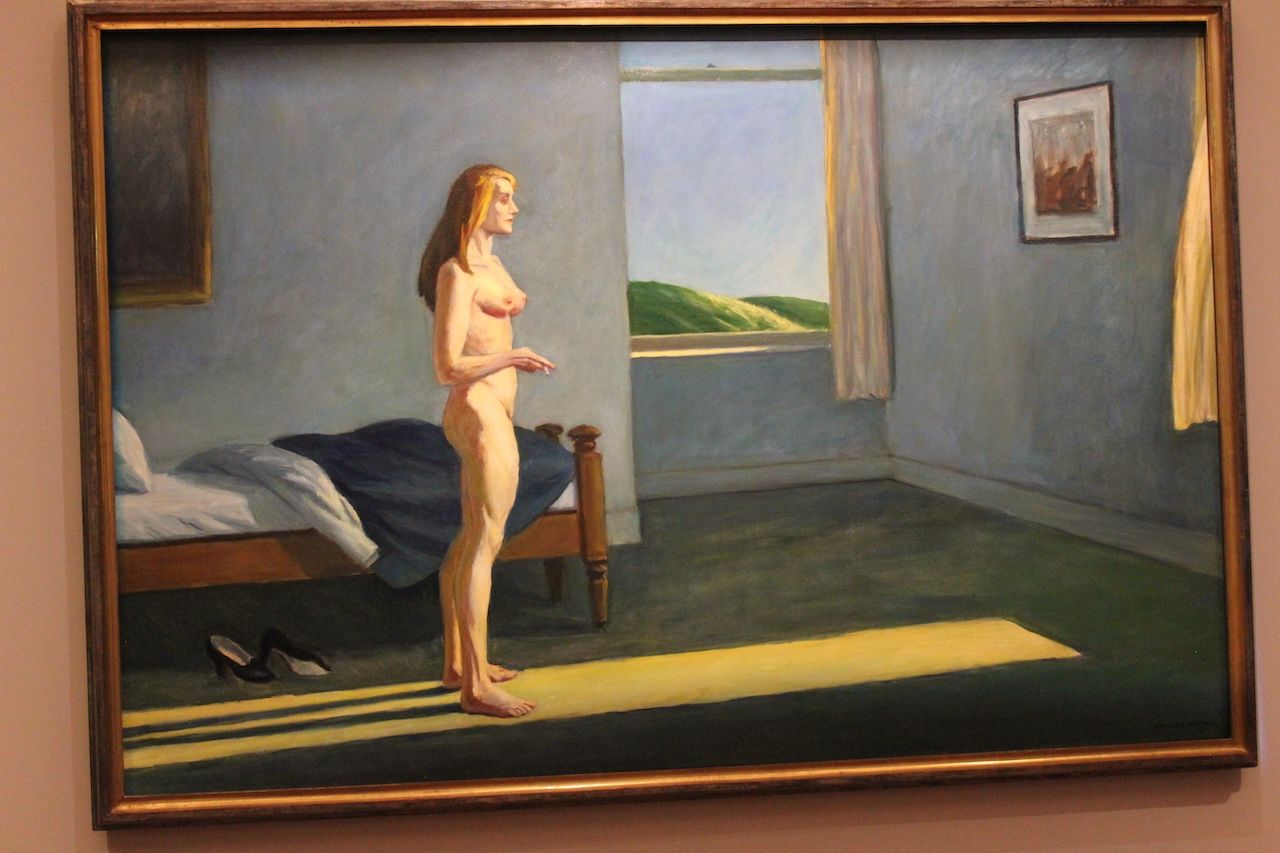
A woman in the Sun, 1961. Edward Hopper
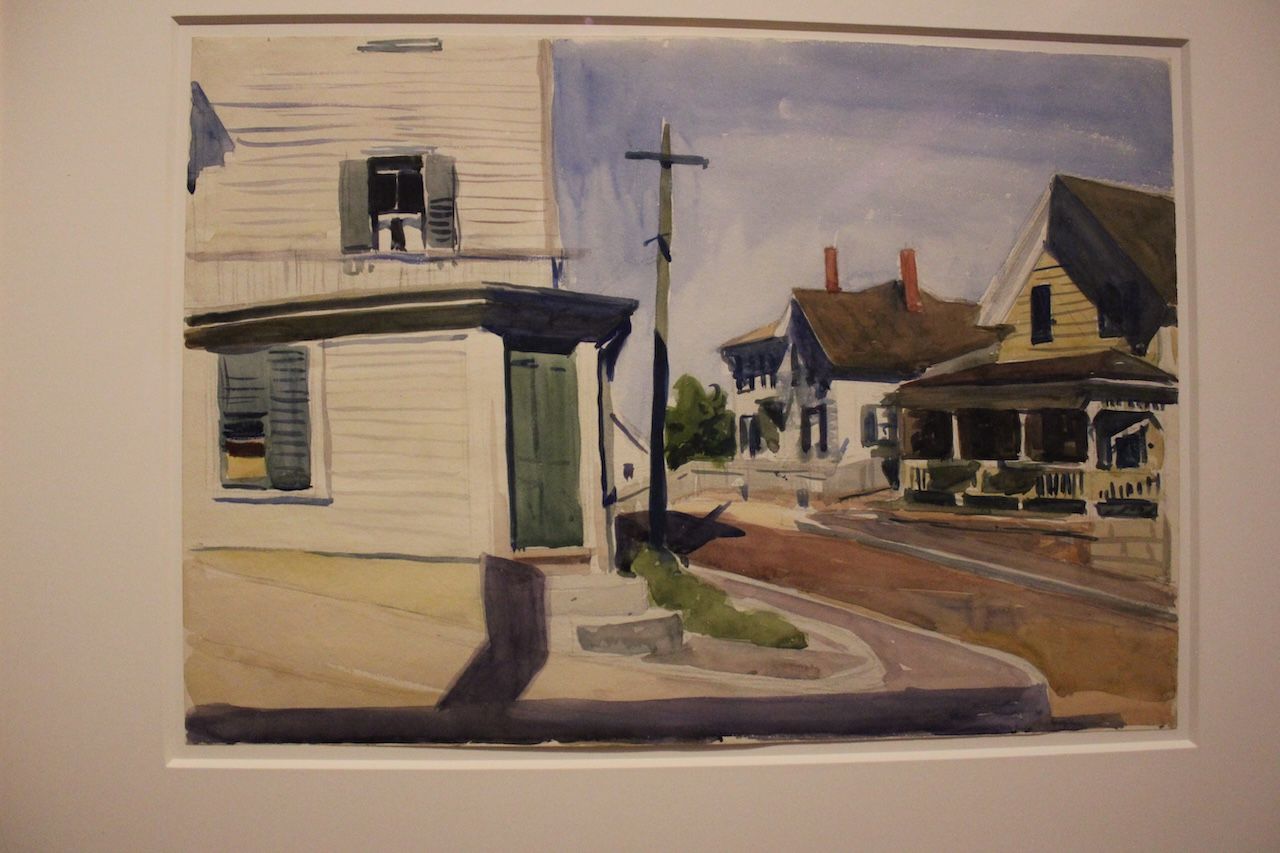
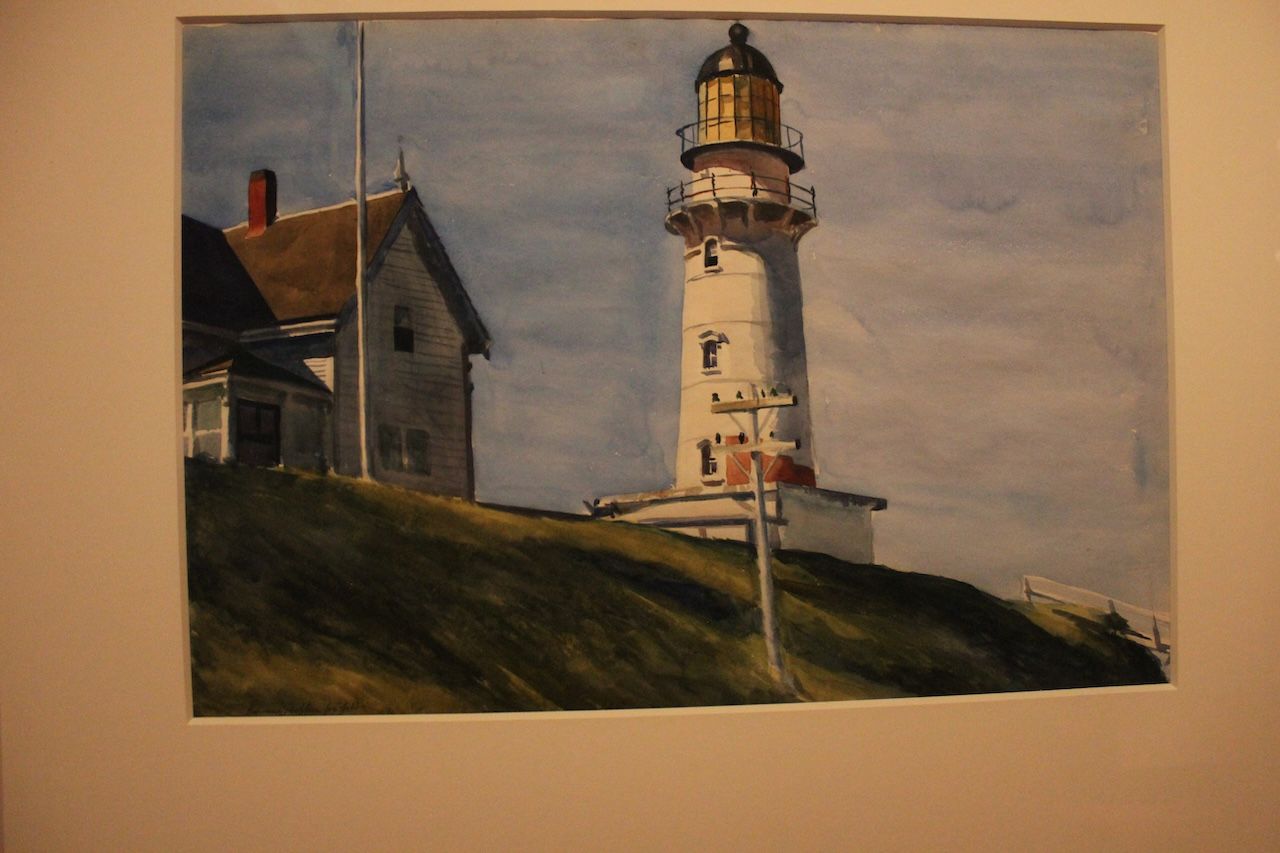
Landscapes by Edward Hopper
Edward Hopper is one of those instantly recognizable artists whose paintings have become true icons of the twentieth century. Beyond the quality of his painting, what I believe fascinates everyone is the sense of solitude and melancholy inherent in the human condition—something Hopper captured better than anyone else. His paintings and his subjects seem suspended in time. Each of his paintings tells a story; they are fascinating because the settings and scenes are often “mundane” and everyday, yet he manages to imbue them with a poetic and mysterious quality.
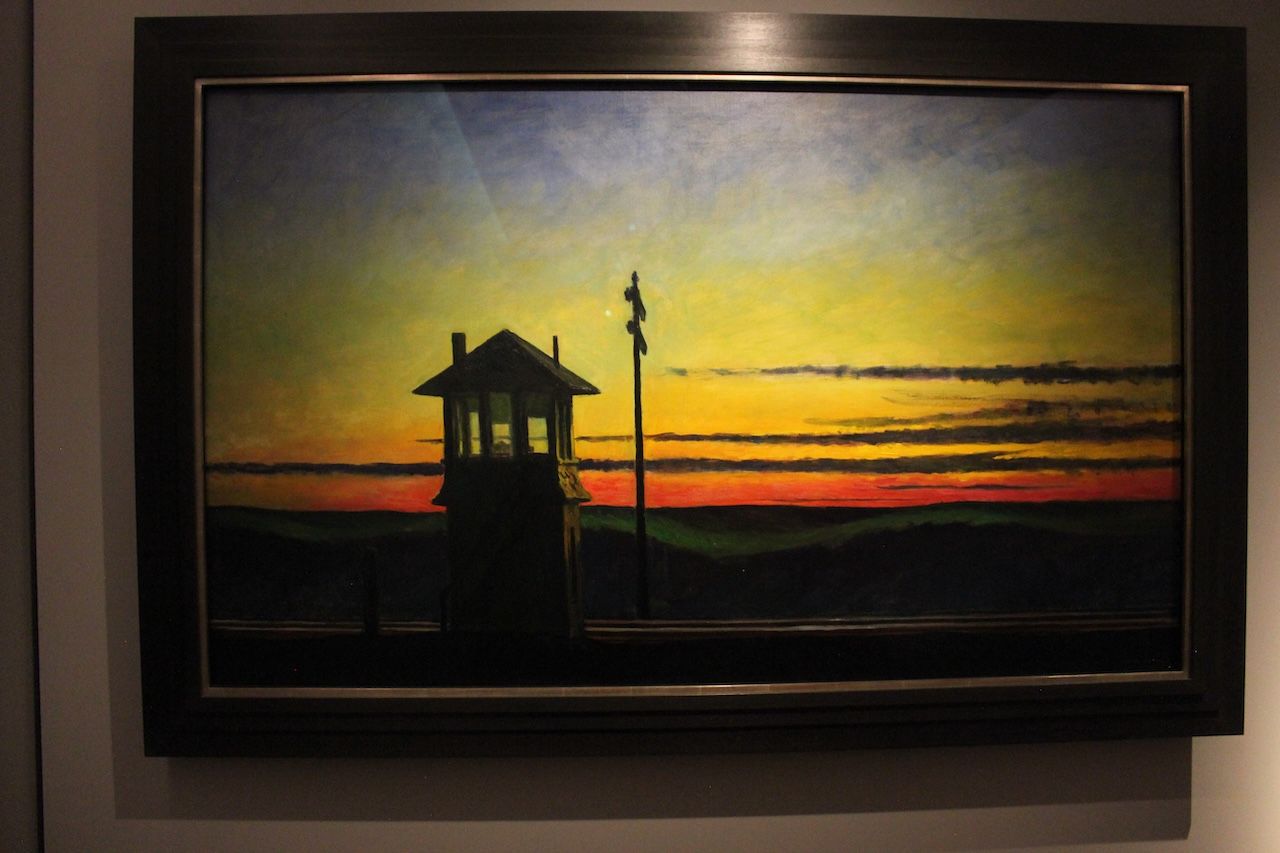
Railroad Sunset, 1929. Edward Hopper
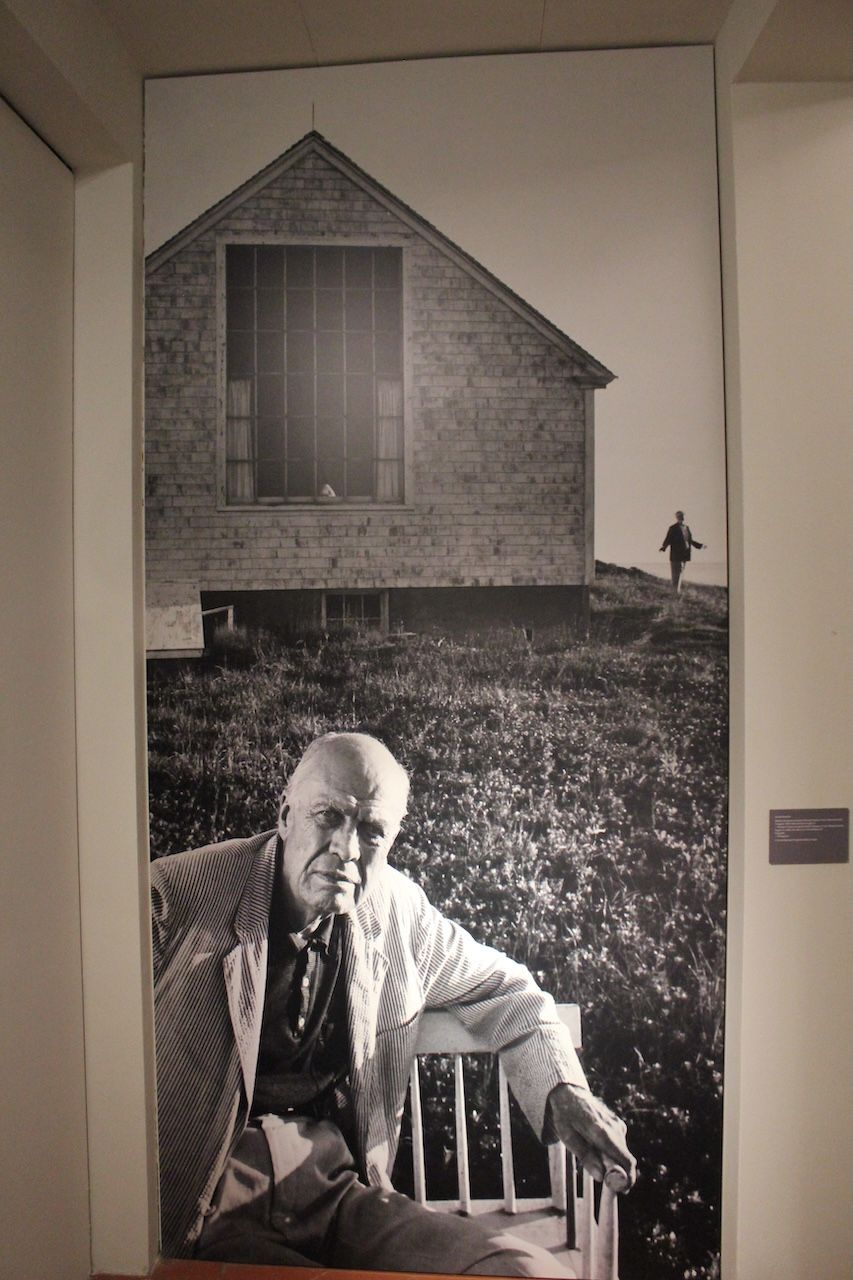
Edward Hopper
“Hosting an exhibition dedicated to Edward Hopper at Palazzo Blu offers the public a chance to discover an artist who captured the transformations and anxieties of American society. His cities, solitary figures, and landscapes depict a world that continues to engage and resonate with us today.” — Cosimo Bracci Torsi, President of Palazzo Blu
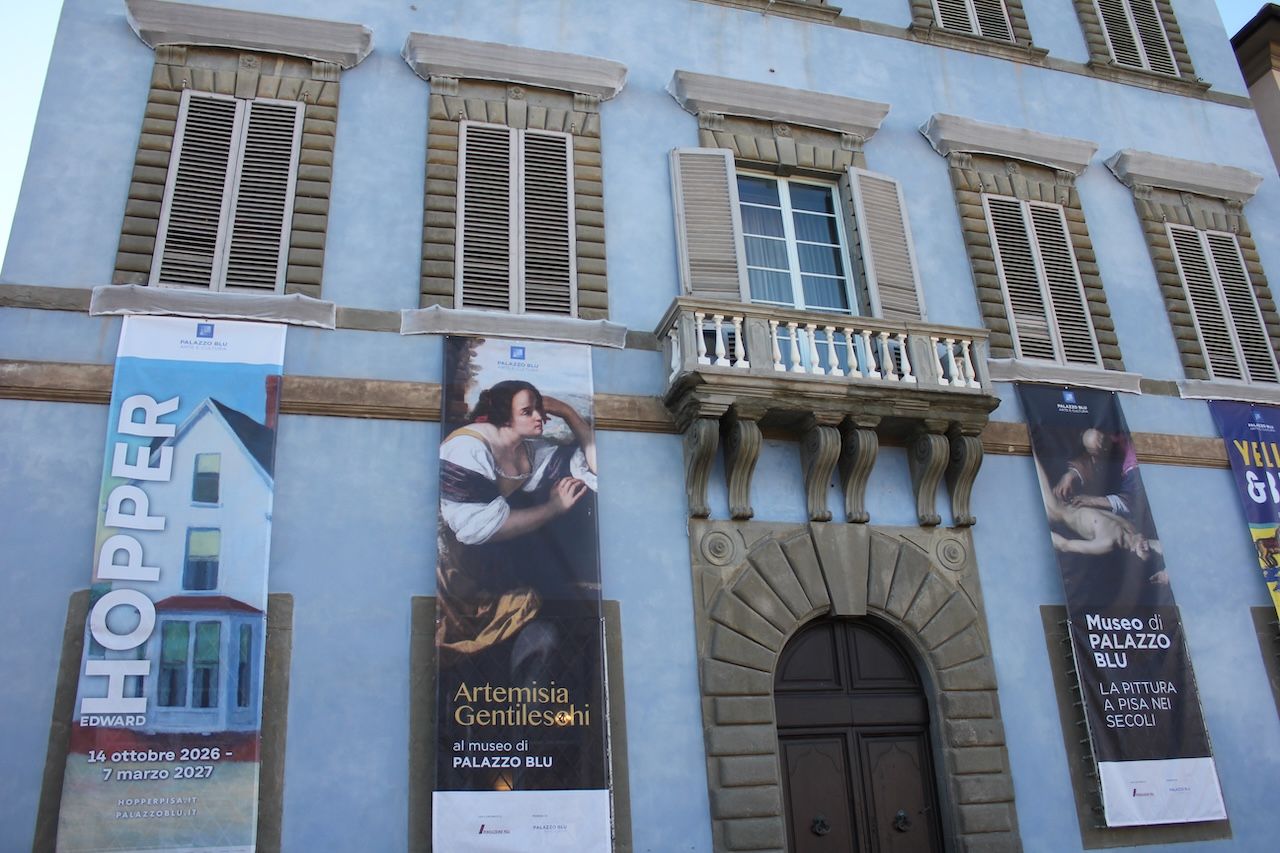
The façade of the magnificent Palazzo Blu in Pisa
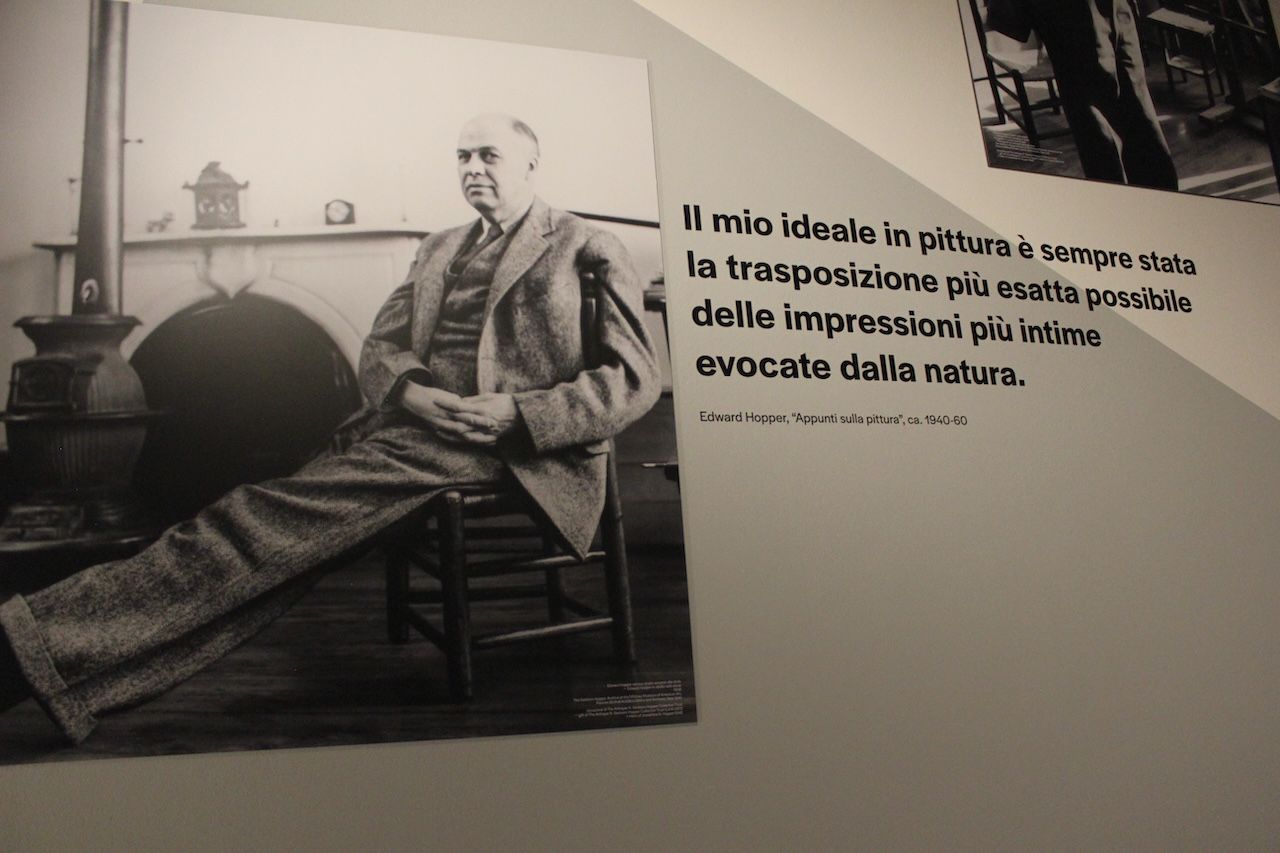
È una mostra molto bella che invito di visitare con grande convinzione.
Installazione multimediale nella mostra
Wishing you all the best!
Beatrice