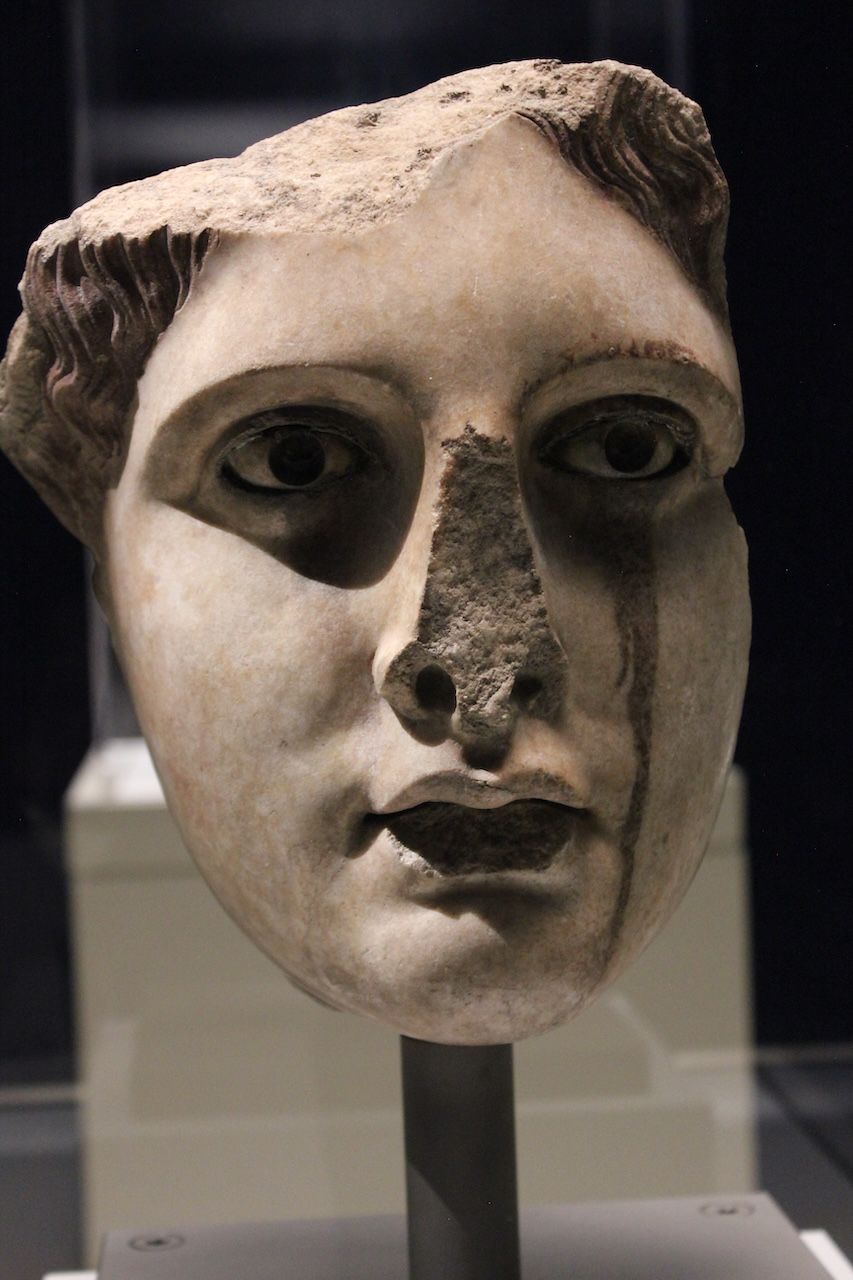
Roman (Athens) Head a Goddess Statue, Acropoli Museum Atene
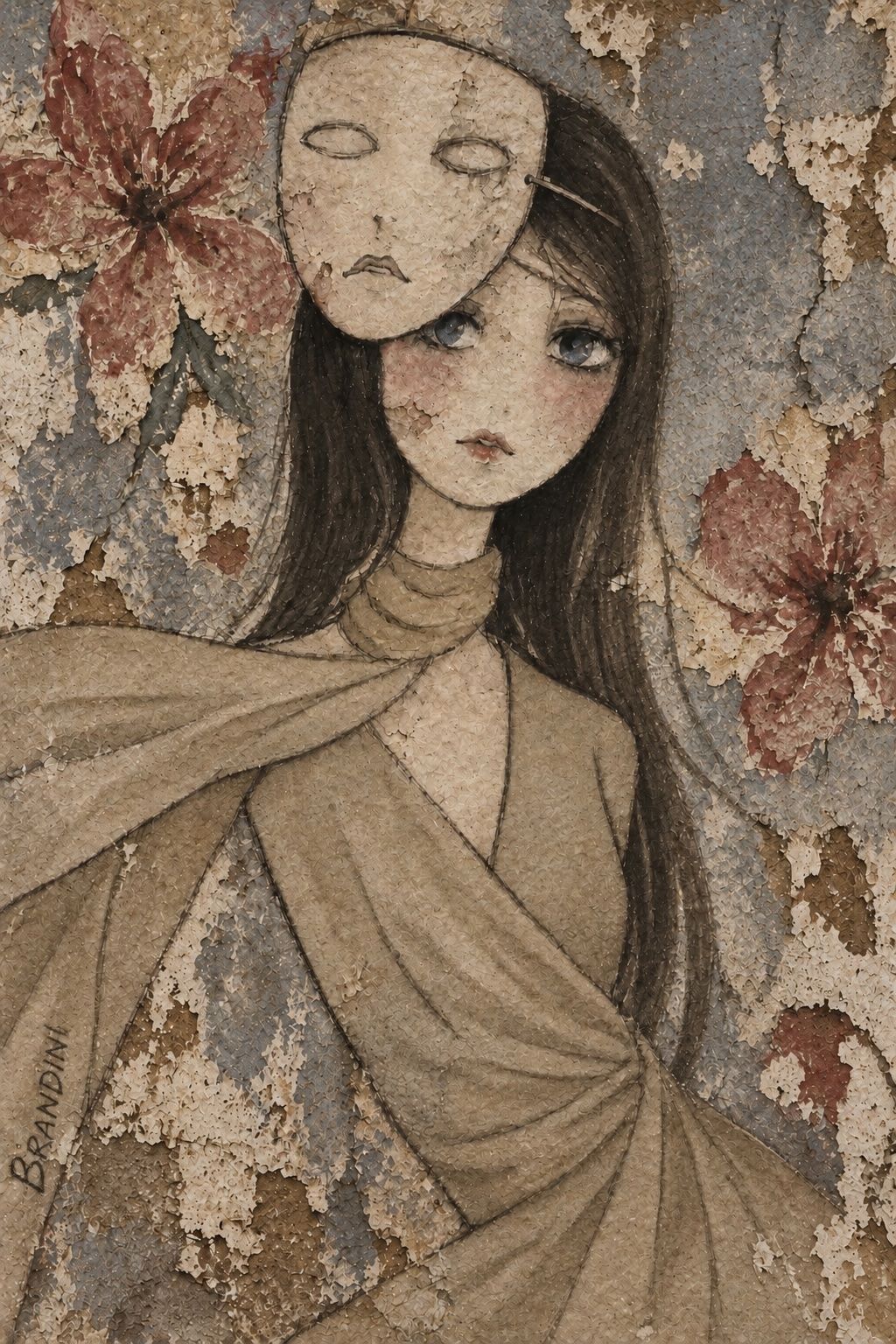
Broken flowers by Beatrice Brandini
From September 25, 2026, to January 24, 2027, Palazzo Strozzi presents *Broken: The Power of the Fragment*, a magnificent exhibition celebrating the evocative power and allure that the fragment has held throughout the history of sculpture—from archaeology to contemporary art.
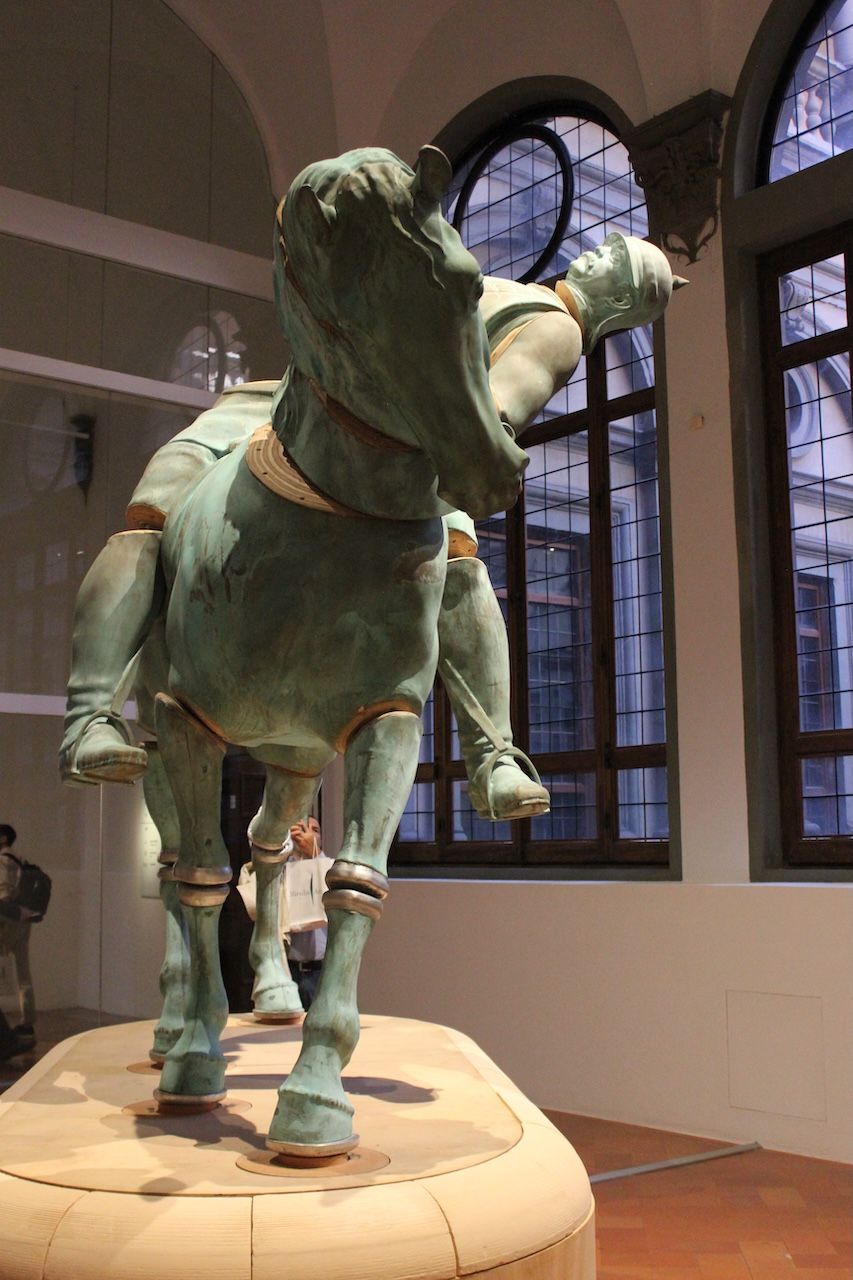
Julius von Bismarck The Elephant in the Room, 2023 Studio Julius von Bismarck
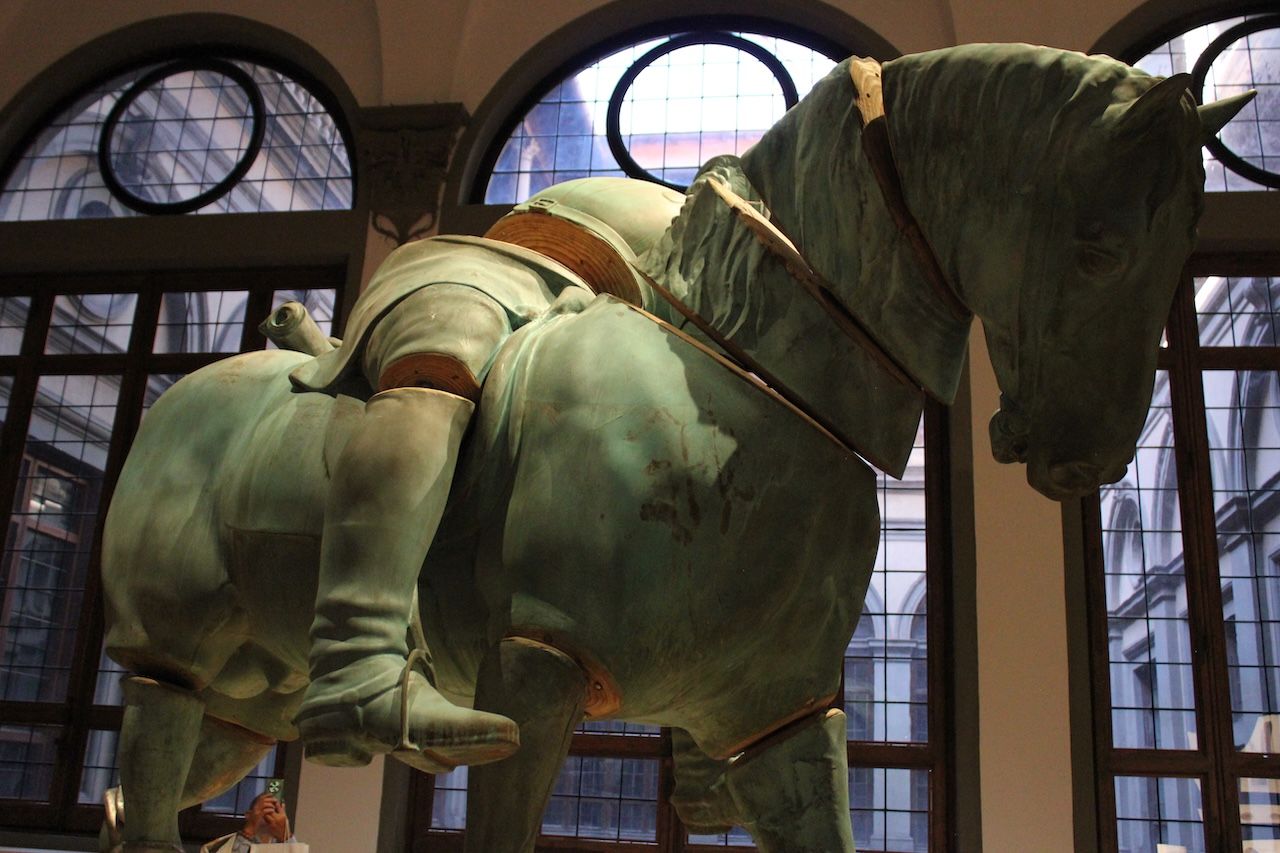
Julius von Bismarck The Elephant in the Room, 2023 Studio Julius von Bismarck
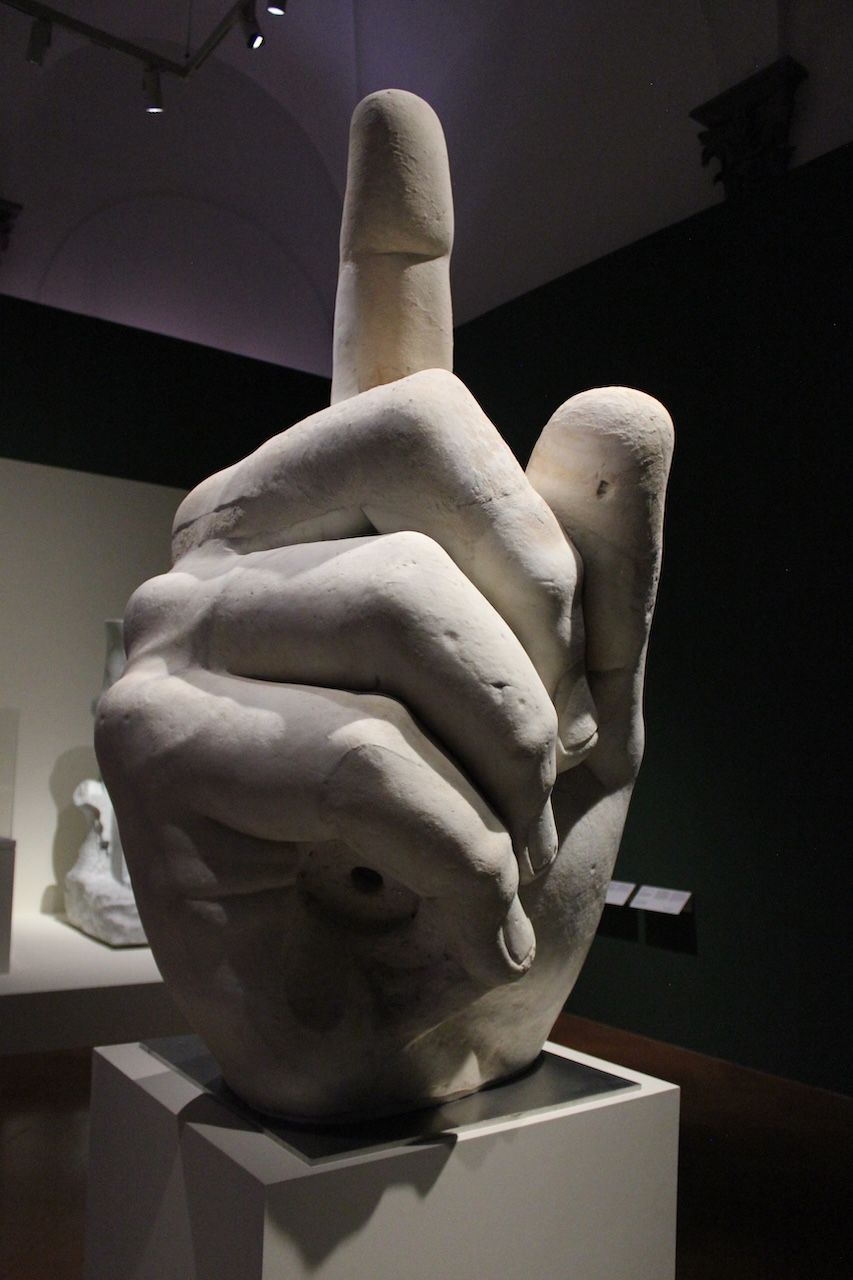
Roman art. Right hand of a colossal statue traditionally associated with Constantine. 1st–4th century AD.
Organized in collaboration with the National Gallery of Art in Washington, the exhibition spans the world and its various eras, featuring over eighty works that address history and politics, where sculptural fragments become symbols.
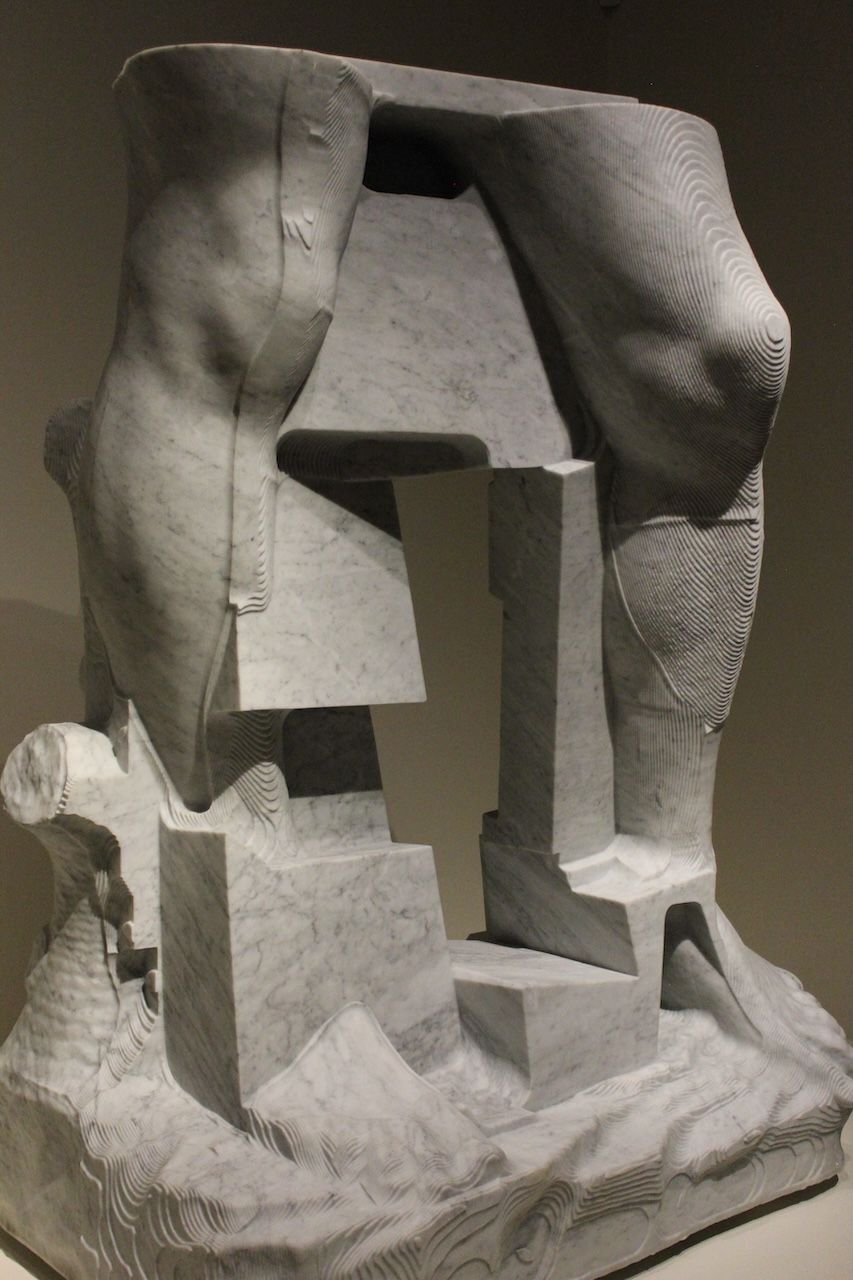
Adrián Villar Rojas, *Untitled*, 2019. Courtesy of the artist
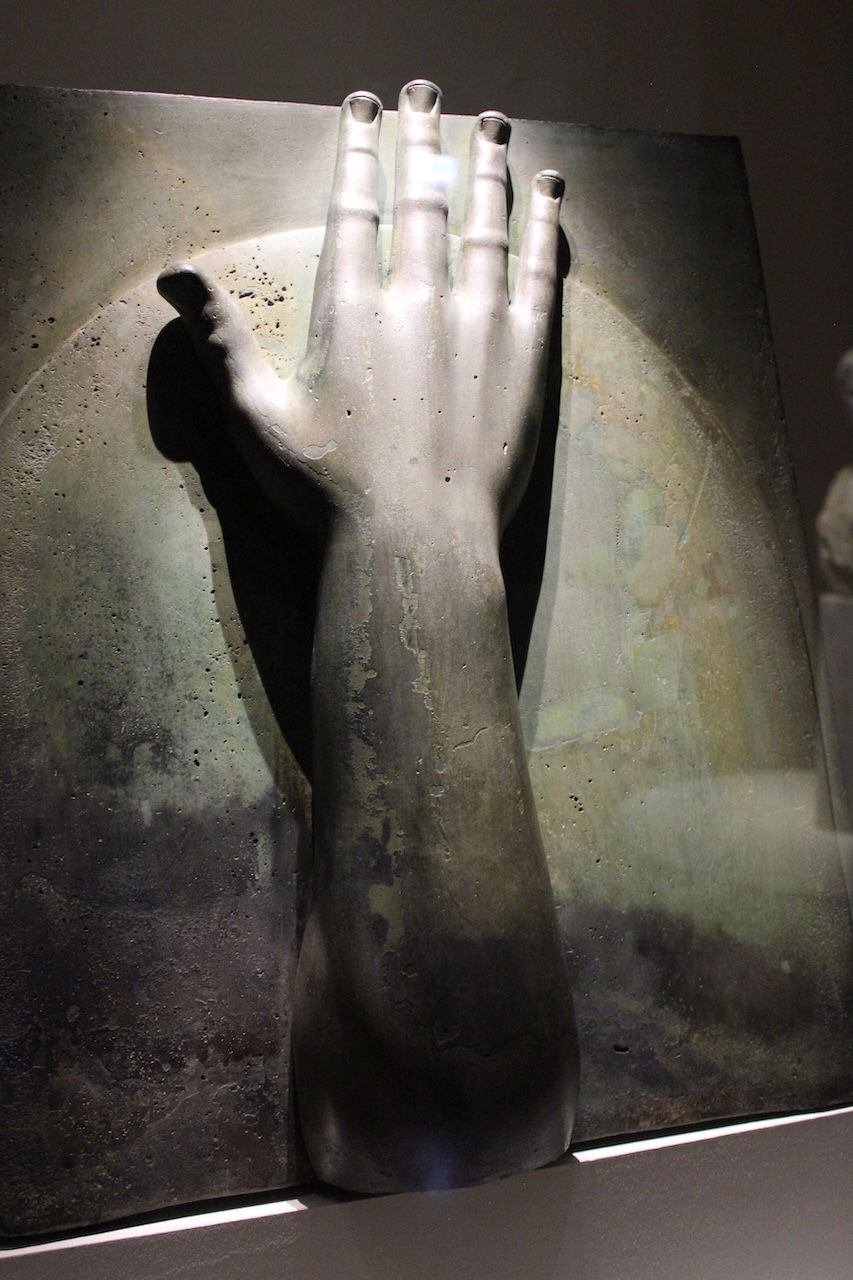
Figure Crossbeam Head with Hand and Forearm. Roman period. National Roman Museum.
The exhibition features loans from major international institutions, such as the Metropolitan Museum of Art in New York, the Louvre Museum in Paris, the British Museum in London, the National Archaeological Museum in Athens, and others.
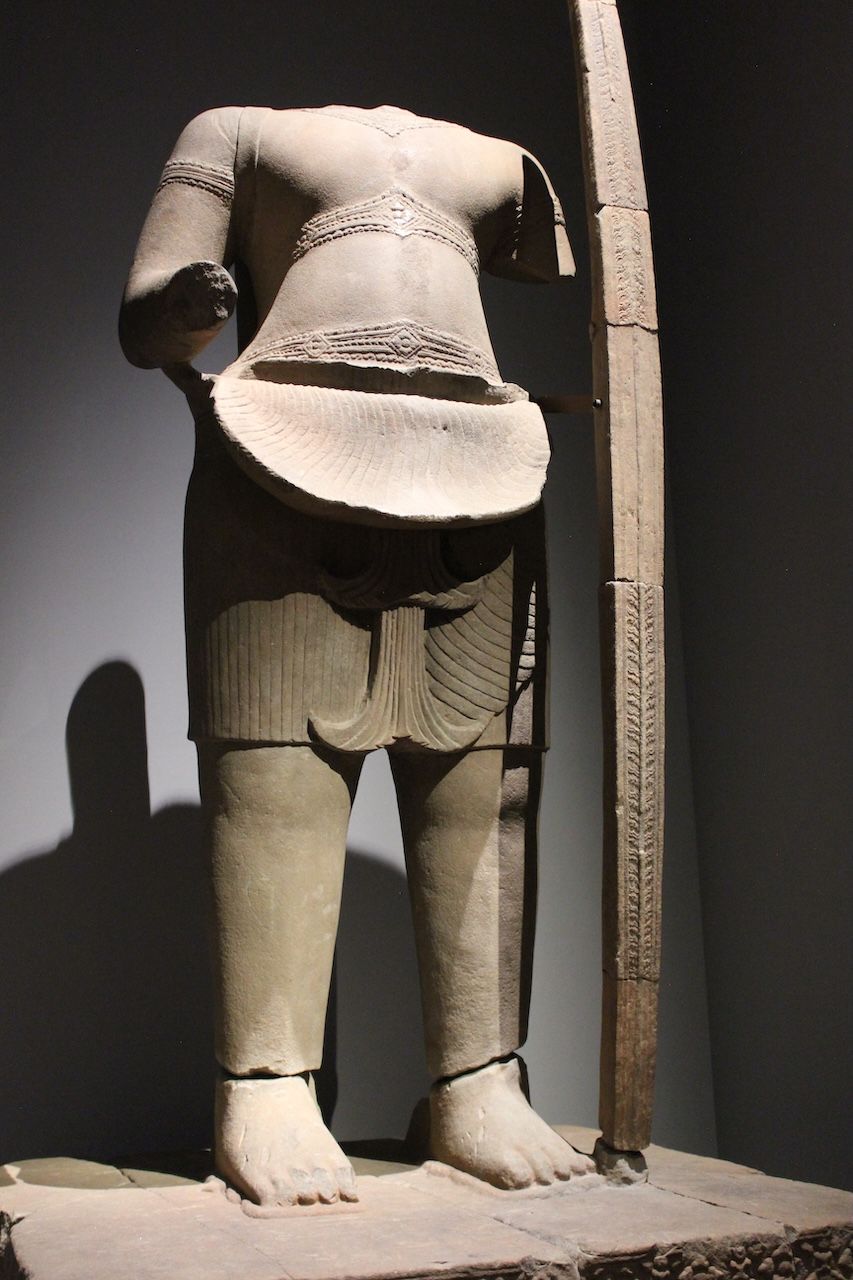
Stone sculpture: Statue of Rama from the Chen Temple at Koh Ker, Cambodia
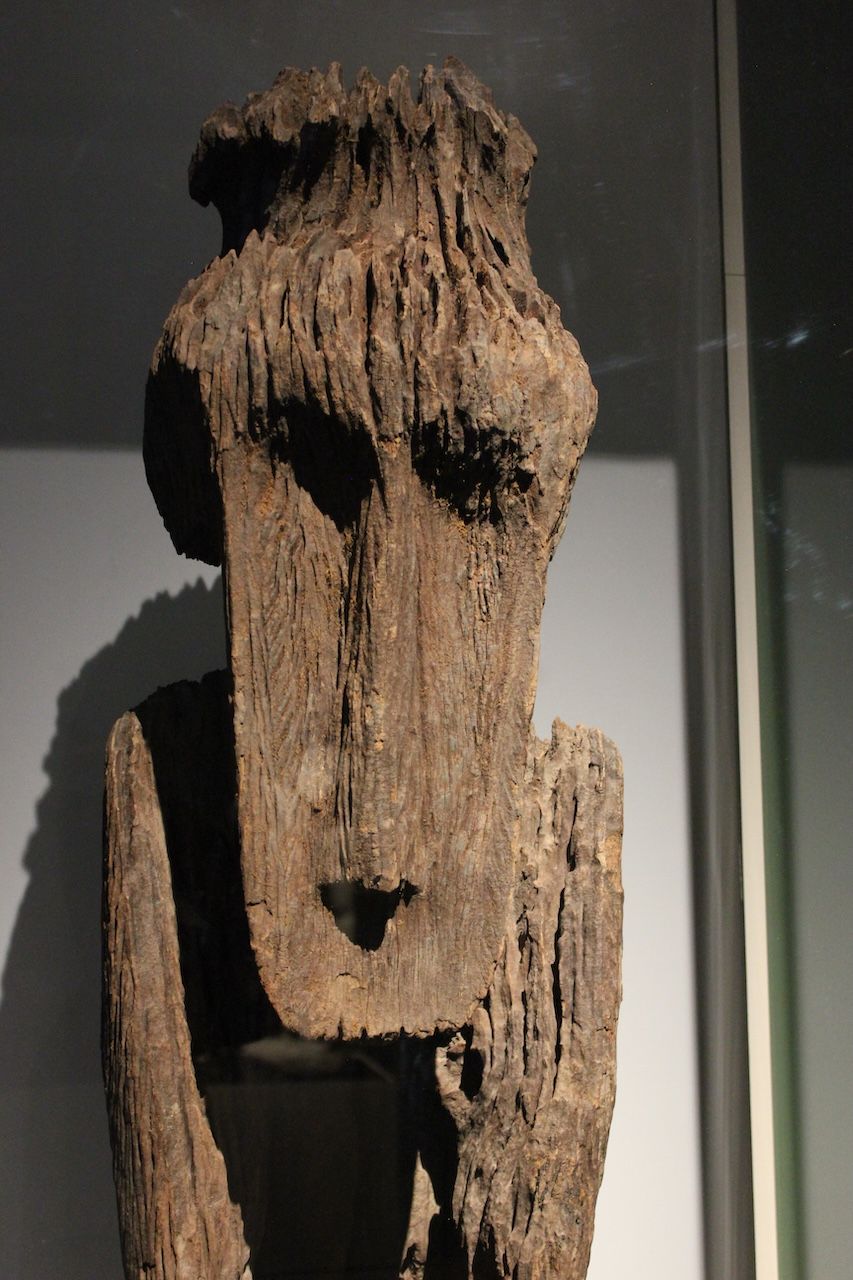
Sarai, Vietnam: Figure Wearing a Mask
The journey spans diverse eras and geographies: from the ancient civilizations of Egypt, Greece, and Rome, all the way to contemporary art.
It features works by Michelangelo Buonarroti, Antonio Canova, and Auguste Rodin, as well as Louise Bourgeois and Francesco Vezzoli.
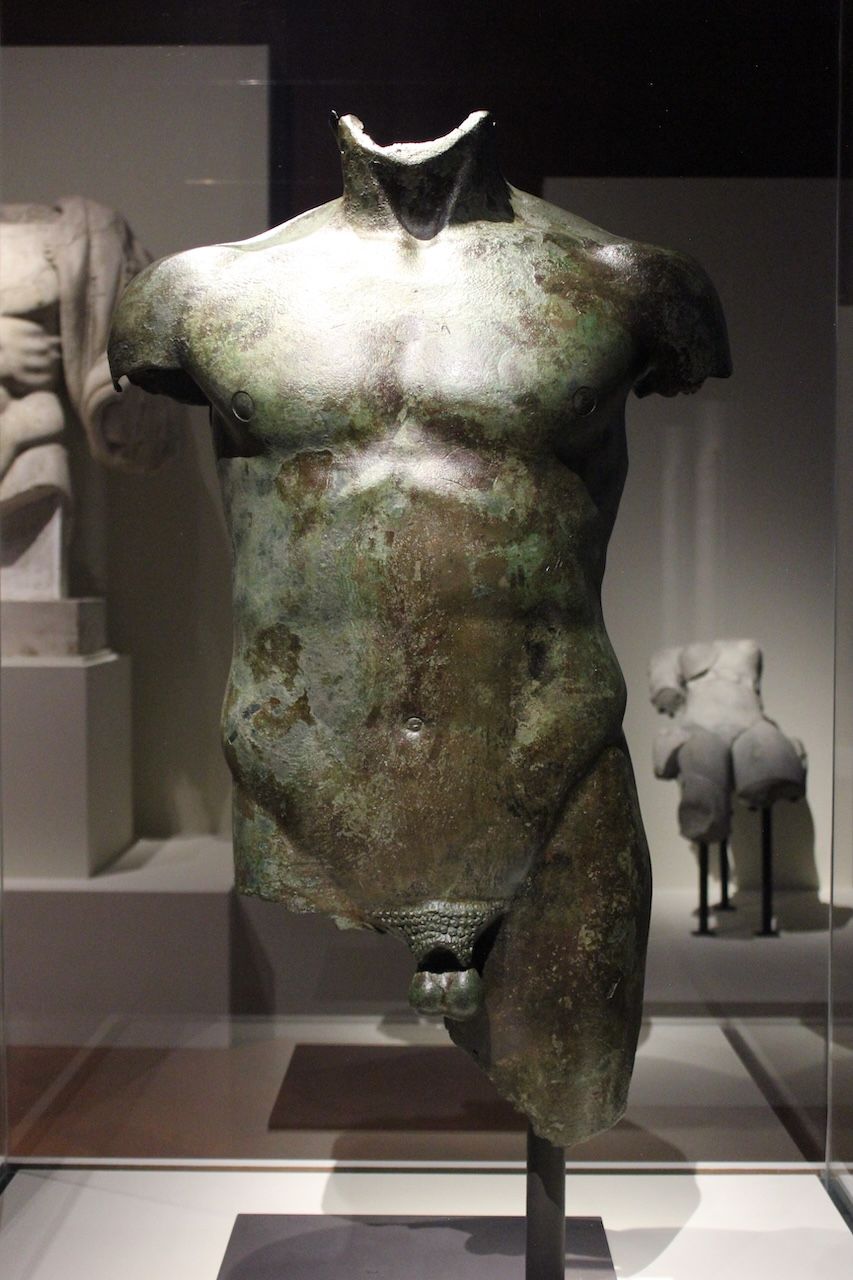
Male torso known as the “Livorno Torso,” 1st century BC. National Archaeological Museum, Florence
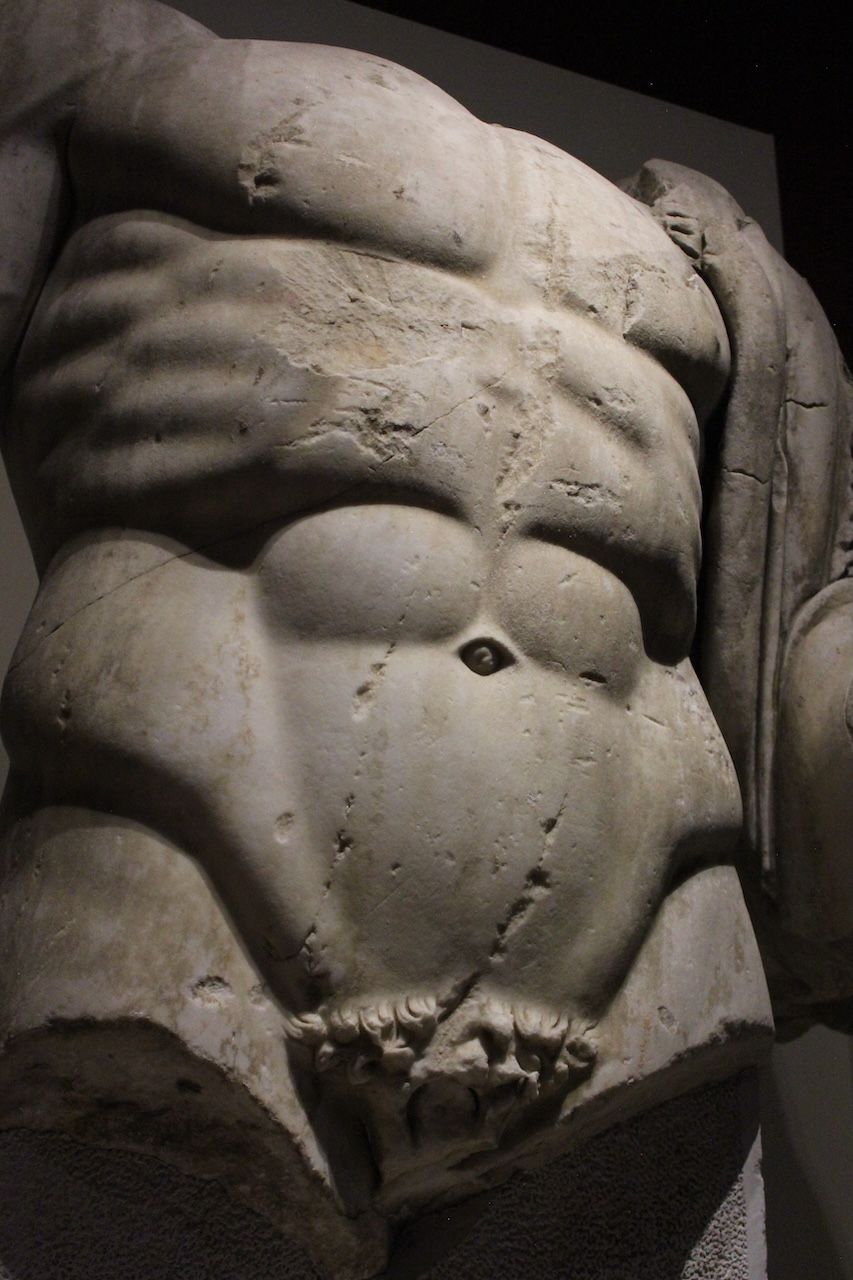
Colossal Torso of Domitian Dressed as Hercules in Combat, 150–170 AD. National Roman Museum
The exhibition explores the reasons behind the destruction or damage of these sculptures, highlighting how crucial these fragments are to understanding the past—capable of telling stories of destruction, transformation, and rebirth.
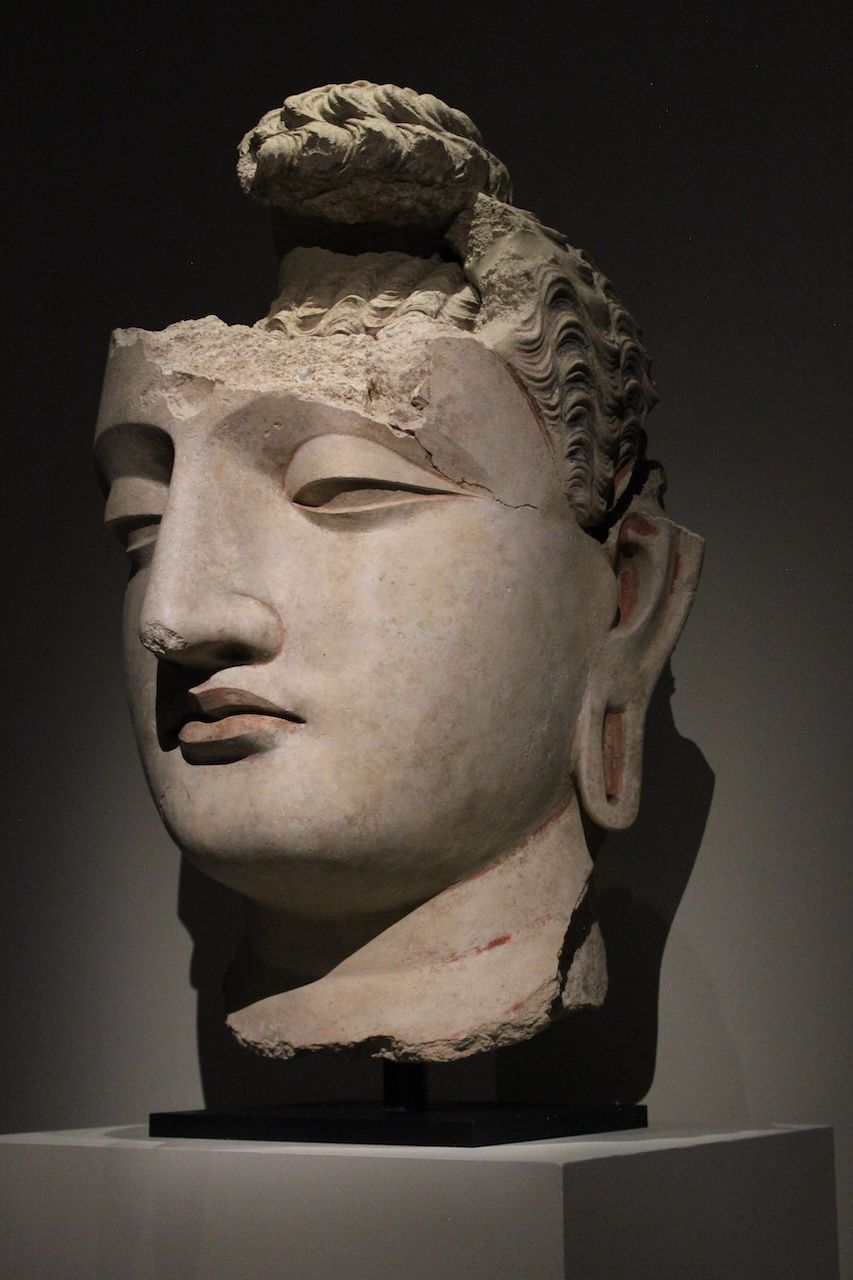
Gandharan, Head of Buddha, 300–400 BC. MAO Museum of Oriental Art, Turin
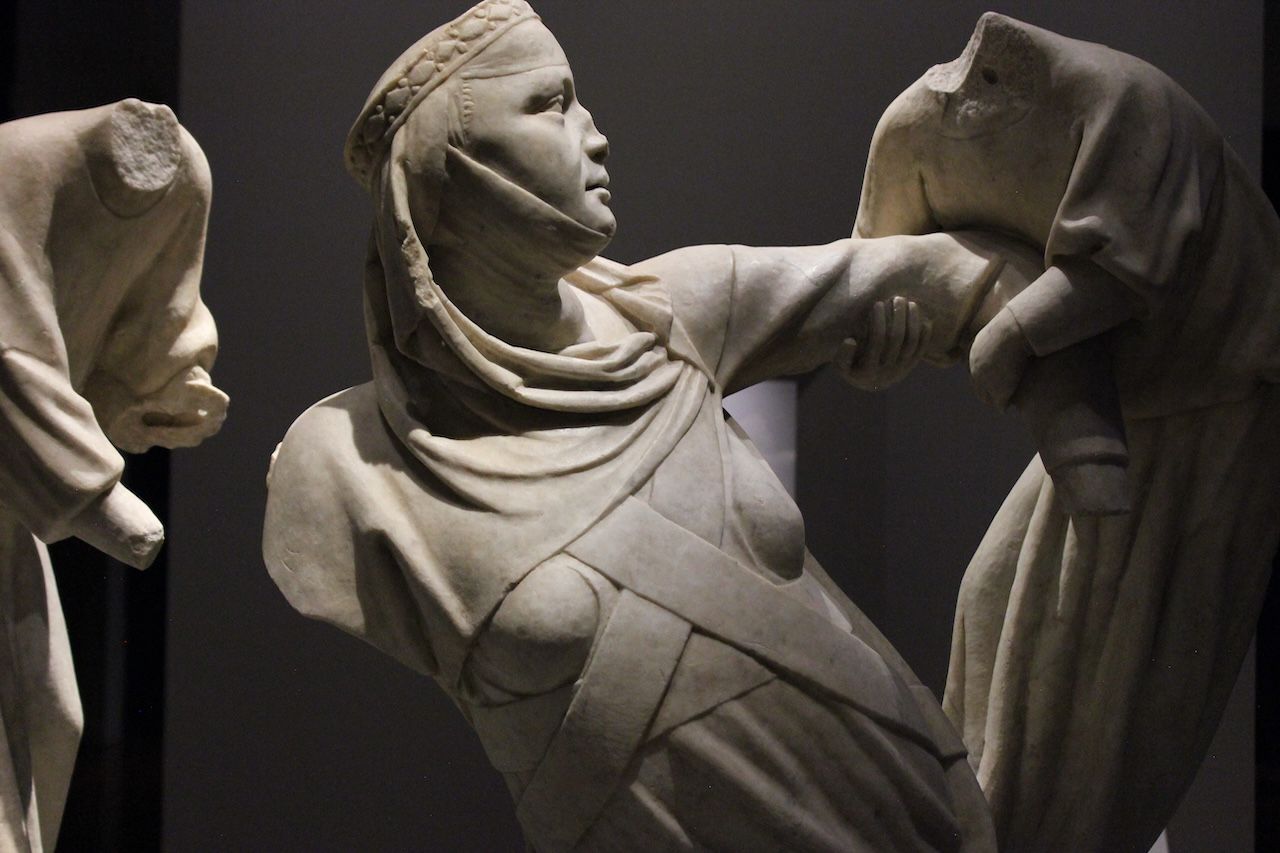
Giovanni Pisano, Fragments of the funerary monument of Margaret of Brabant. Sant’Agostino Museum, Genoa
The exhibition is organized into thematic sections that explore the fragment as a historical, cultural, and symbolic phenomenon. It begins with a section dedicated to the evocative power of the fragment, featuring remains from the funerary monument of Margaret of Brabant and the famous fragment showing the nose and lips of Akhenaten, on loan from the Metropolitan Museum of Art in New York. It continues with themes of iconoclasm and *damnatio memoriae*, followed by sections on war and colonialism, natural forces, and the relationship between the fragment and reconstruction.
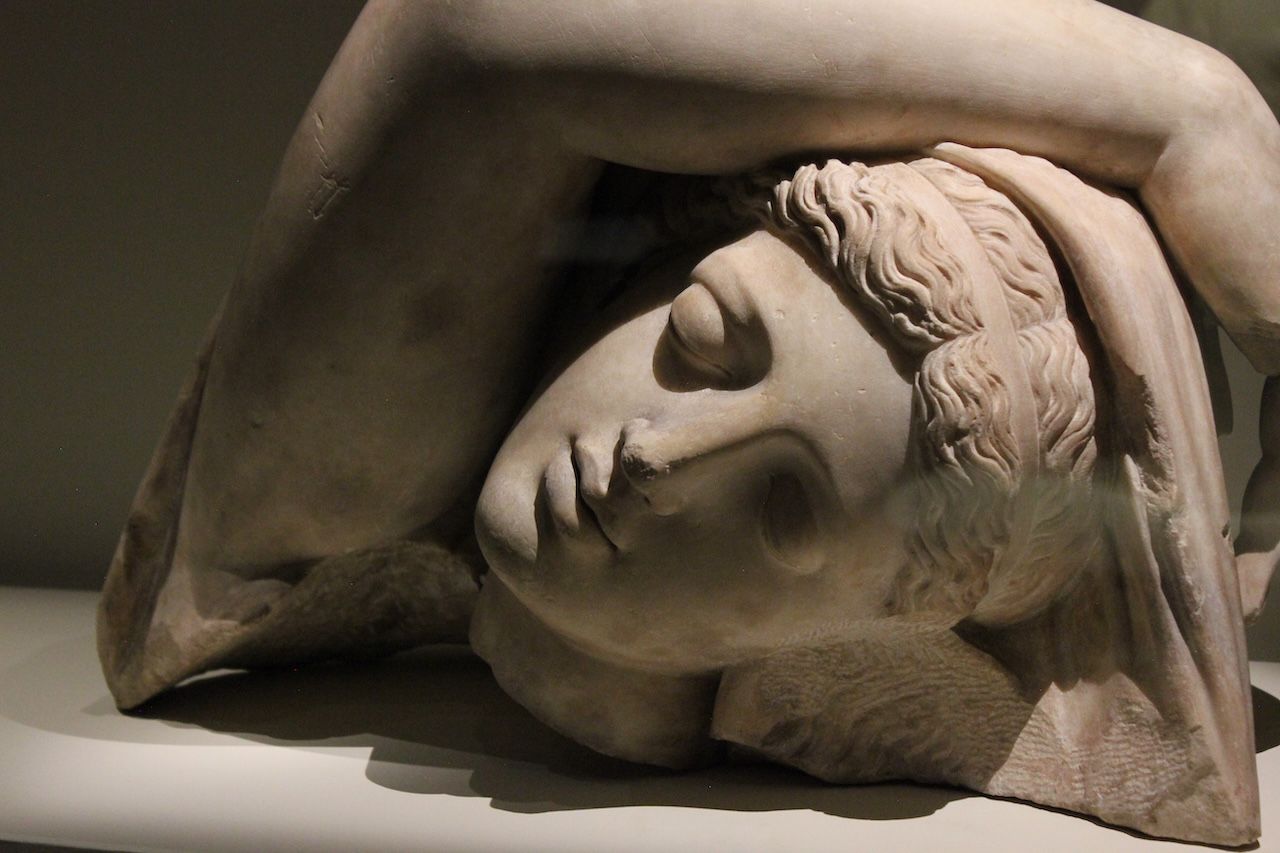
Italian artist. Restored head and right arm of the *Sleeping Ariadne*. 1540s–1580s, Florence, National Archaeological Museum.
*Broken: The Power of the Fragment* comprises over 80 works from more than 60 lenders, spanning 4,300 years of history. The oldest piece is the *Torso of a Female Ruler* from Assur, Mesopotamia (2300–2550 BCE). The smallest work is an Egyptian sculpture depicting the Nose and Lips of Akhenaten (1353–1336 BCE). The largest work is by Mark Manders: *Title Head* (part of *Silent Studio*), 2005–2026. The heaviest work is by Adrián Villar Rojas—*Untitled*—weighing 2,900 kg.
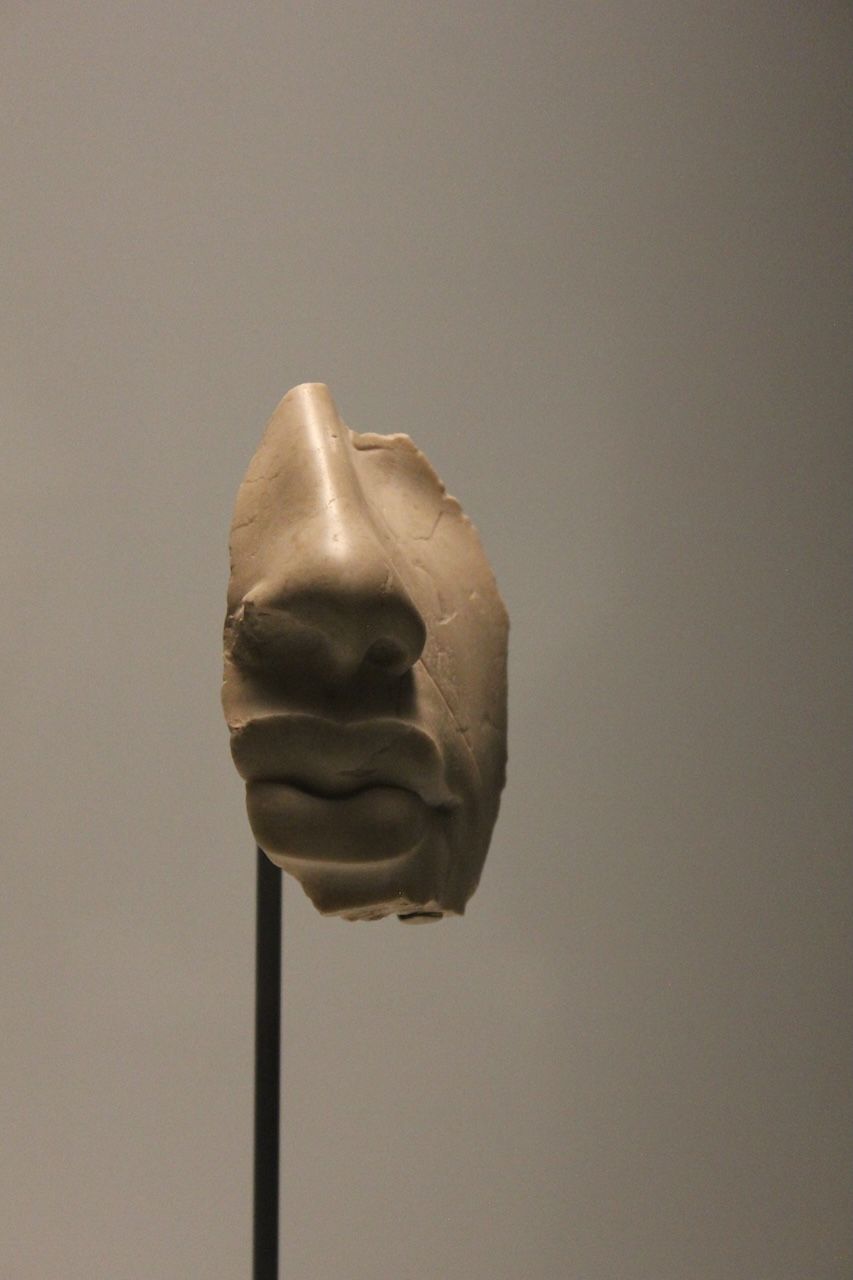
Egyptian art, *Nose and Lips of Akhenaten*, Egypt, 1353–1336 BCE.
Why discuss the destruction of artworks? Perhaps, today more than ever, this is a topic that is not only relevant but, I believe, highly urgent. For while it is true that artworks—especially sculptures—deteriorate due to the passage of time or natural disasters, it is equally true that they are often destroyed by the ravages of war or—in an appalling turn of events—by “cancel culture”: a form of public ostracism, often fueled by “political correctness,” that censors art and thought.
But what an artist creates should never be altered, nor even censored, as doing so limits their freedom.
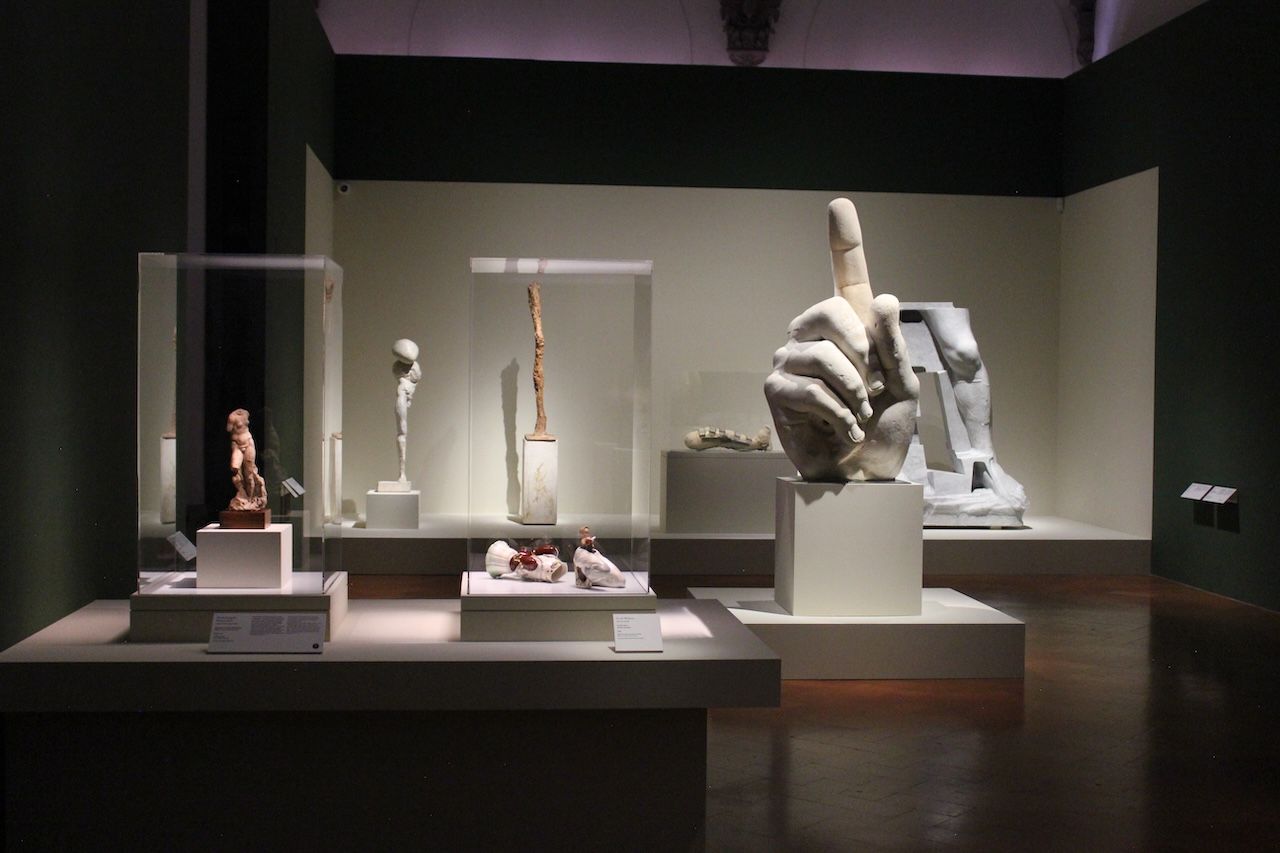
A view of the exhibition *Broken: The Power of the Fragment*
It is a truly interesting, powerful, and unique exhibition. We are accustomed to reflecting before a work of art—to appreciating its beauty and critiquing it—yet we rarely lament the loss of its original perfection. This exhibition confronts us with our own ingratitude, neglect, and lack of generosity… Art—and Italy is the country that likely possesses more of it than any other—must be conserved, preserved, protected, understood, and loved. Always!
Wishing everyone a wonderful life!
Beatrice