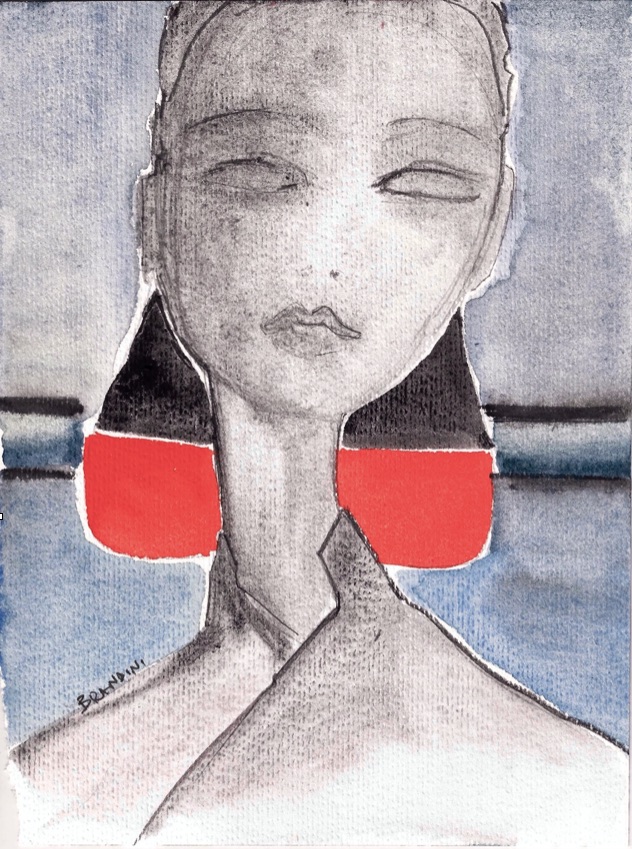
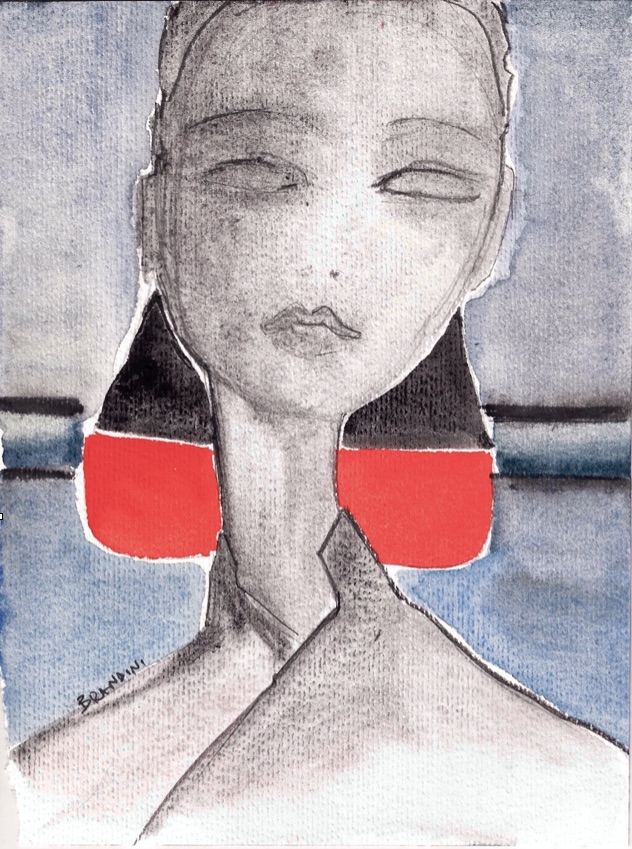
Muse of Beatrice Brandini
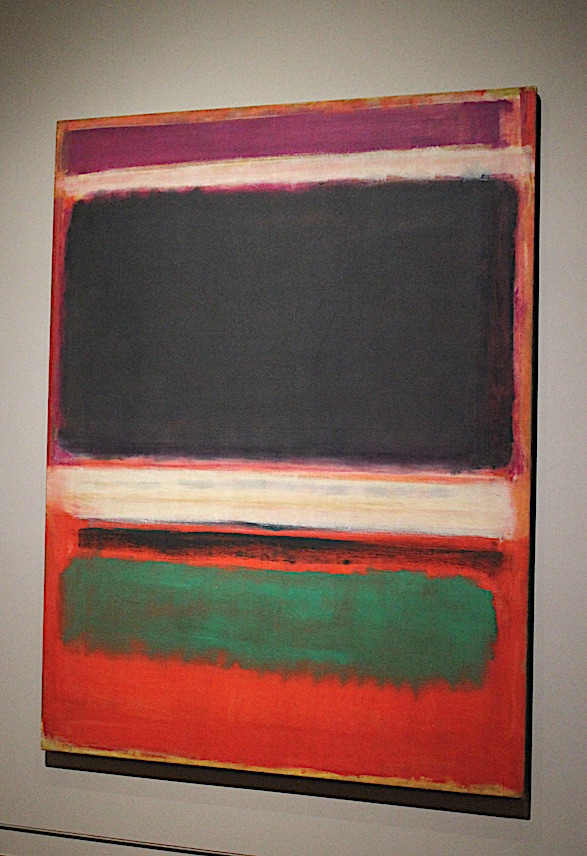
Mark Rothko No.3/No. 13, 1949
From March 14 to August 23, 2026, the Palazzo Strozzi Foundation presents Rothko in Florence, one of the most important exhibitions ever dedicated to Mark Rothko, the illustrious master of the twentieth century and the greatest exponent of American Abstract Expressionism.
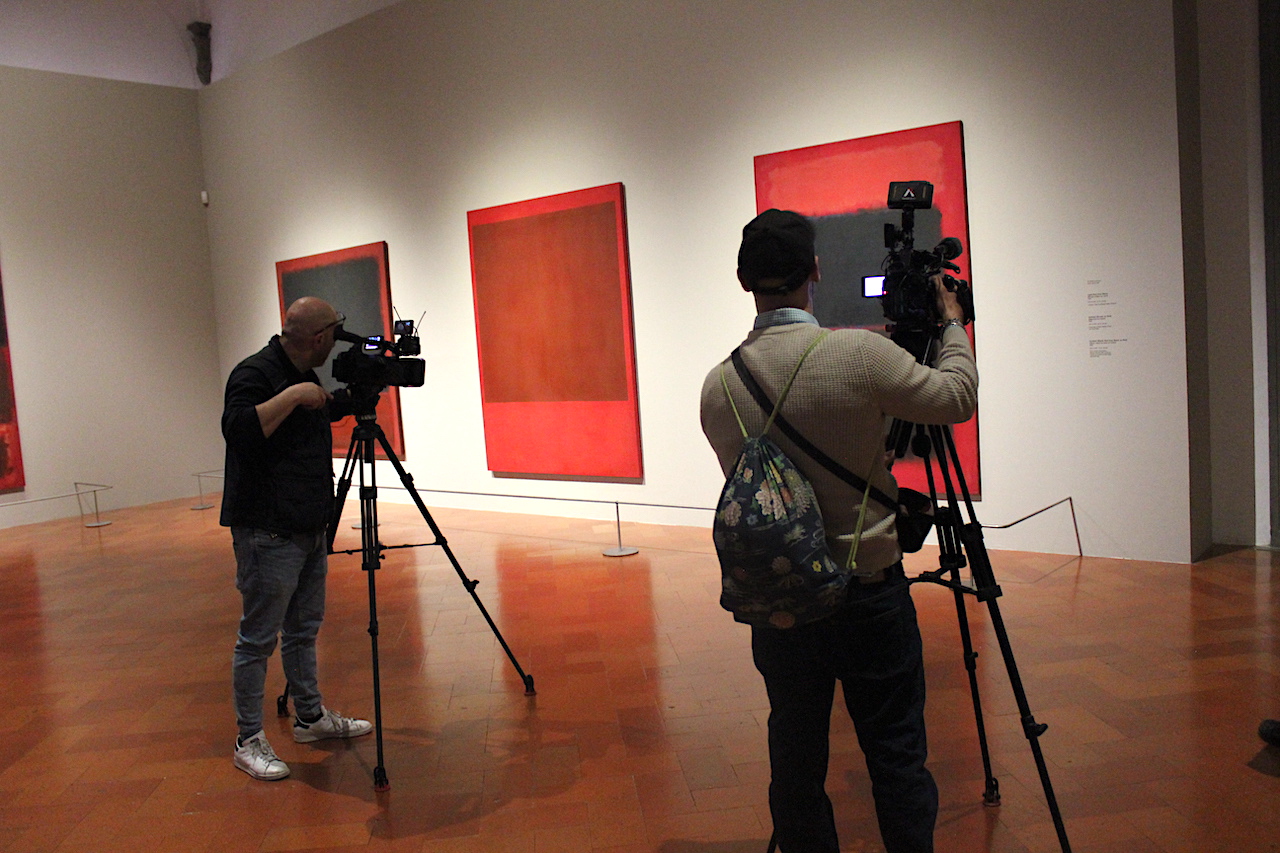
Photographers at the press conference for the Rothko exhibition in Florence
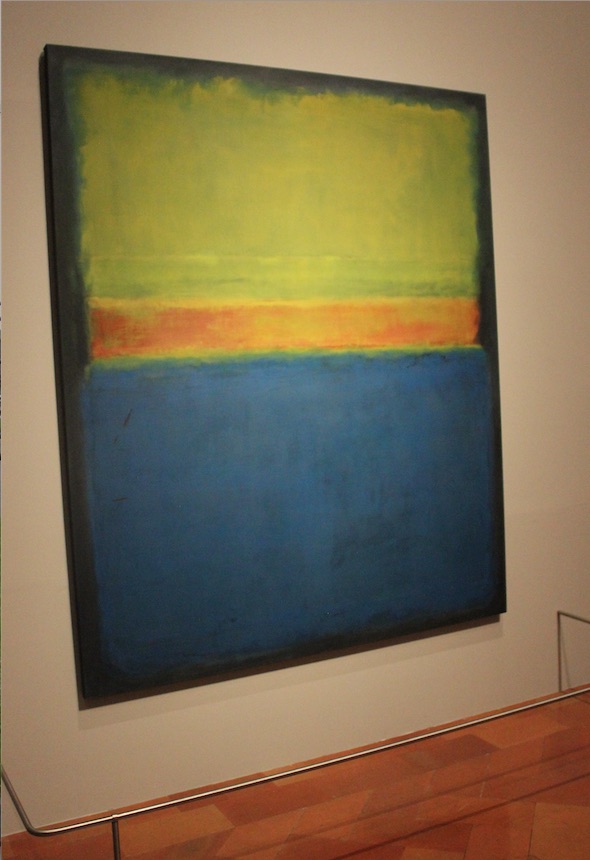
Mark Rothko No. 2 (Blue, Red and Green) (Yellow, Red, Blue on Blue), 1953
The exhibition takes us on a journey that explores the artist’s entire creative journey, from his early works in the 1930s and 1940s, through the echoes of Surrealism, to the emblematic and celebrated abstract canvases of the 1950s and 1960s.
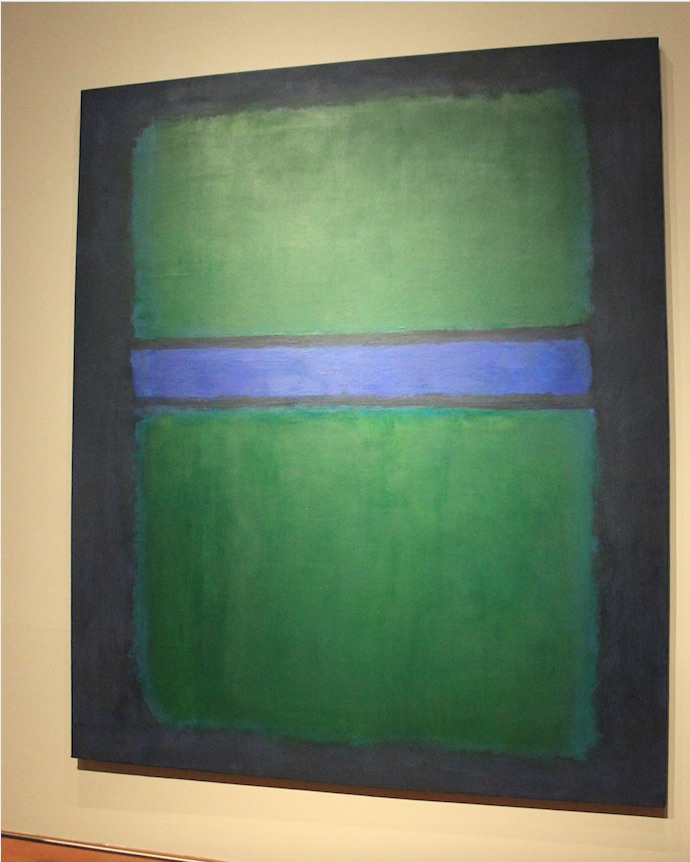
Mark Rothko Untitled, 1957
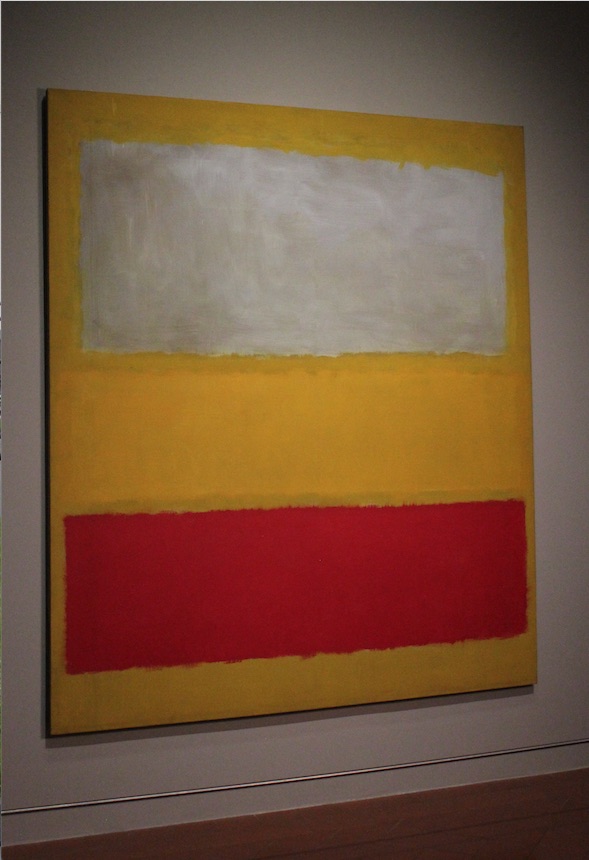
Mark Rothko No. 13 (White, Red on Yellow), 1958
A journey that allows us to understand that the language of color fields did not emerge suddenly, but was the result of a slow and conscious subtraction. As the years pass, the colors floating in the canvases become more essential and austere; admiring them is as if they were in direct dialogue with our deepest selves. Rothko was a great, tormented artist; his brushstrokes are certainly the most intense and true expression of his inner drama. And while they are initially characterized by vibrant, sunny colors, they gradually become increasingly darker, reflecting his restlessness.
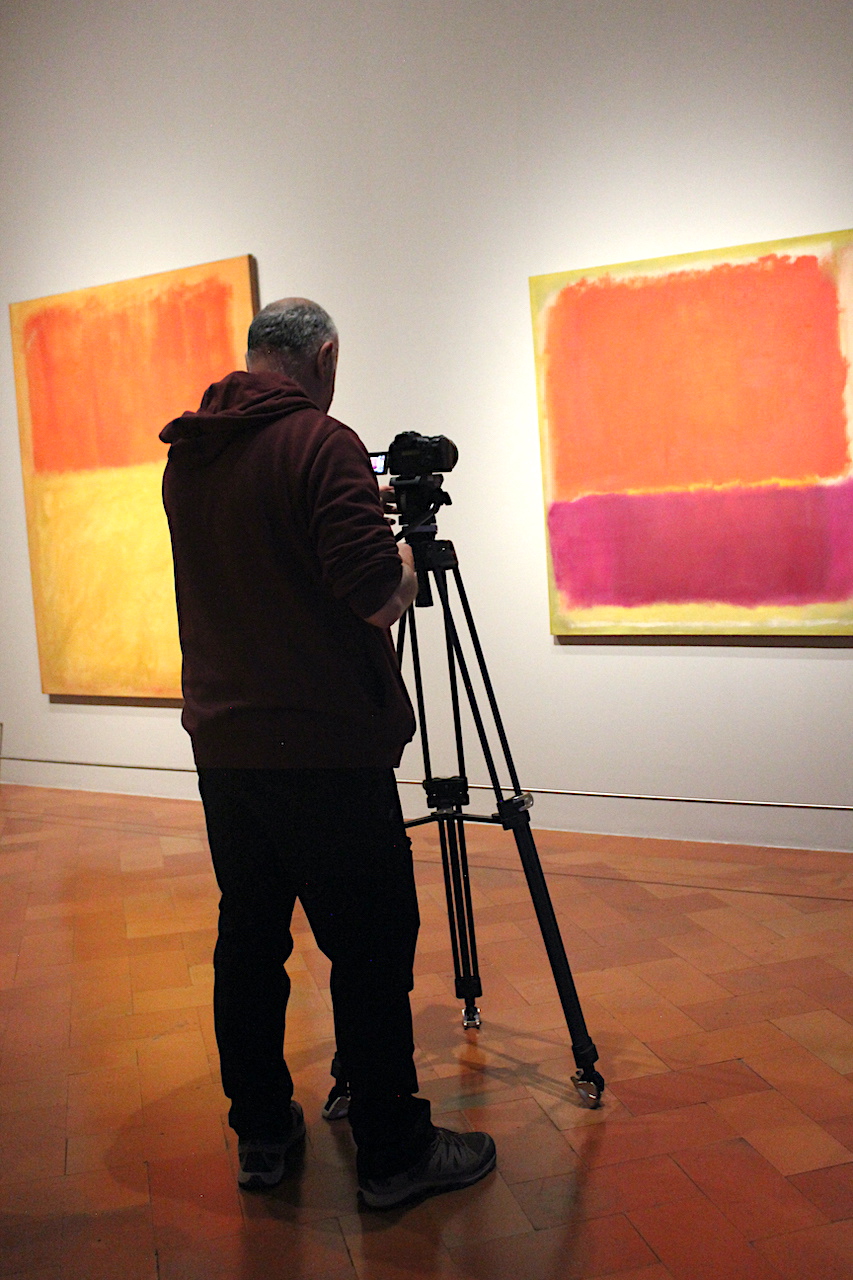
Some glimpses of the exhibition: Rothko in Florence
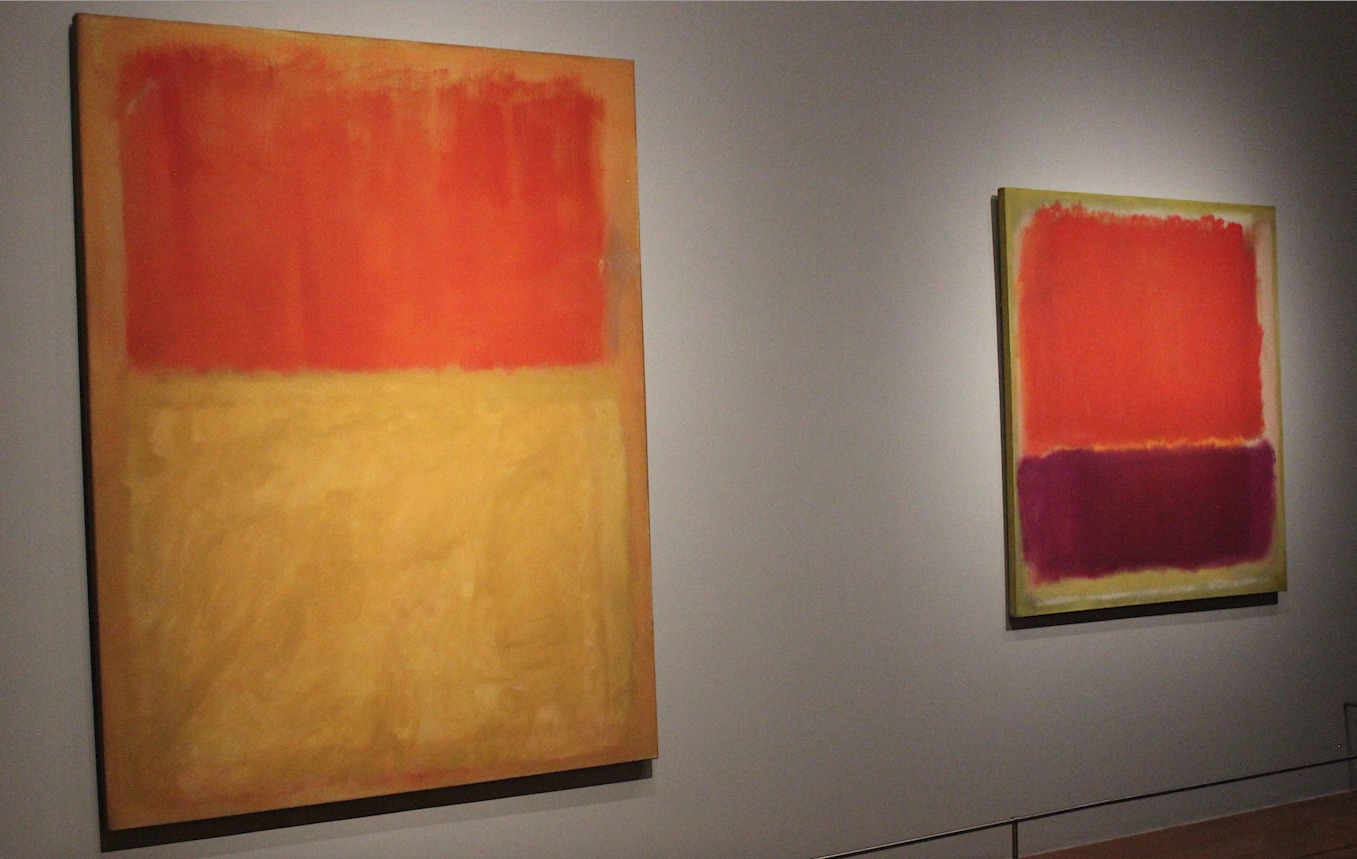
The exhibition features 70 works, many never before exhibited in Italy, from major international institutions such as the MoMA and the Metropolitan Museum of Art in New York, the Tate in London, the Centre Pompidou in Paris…
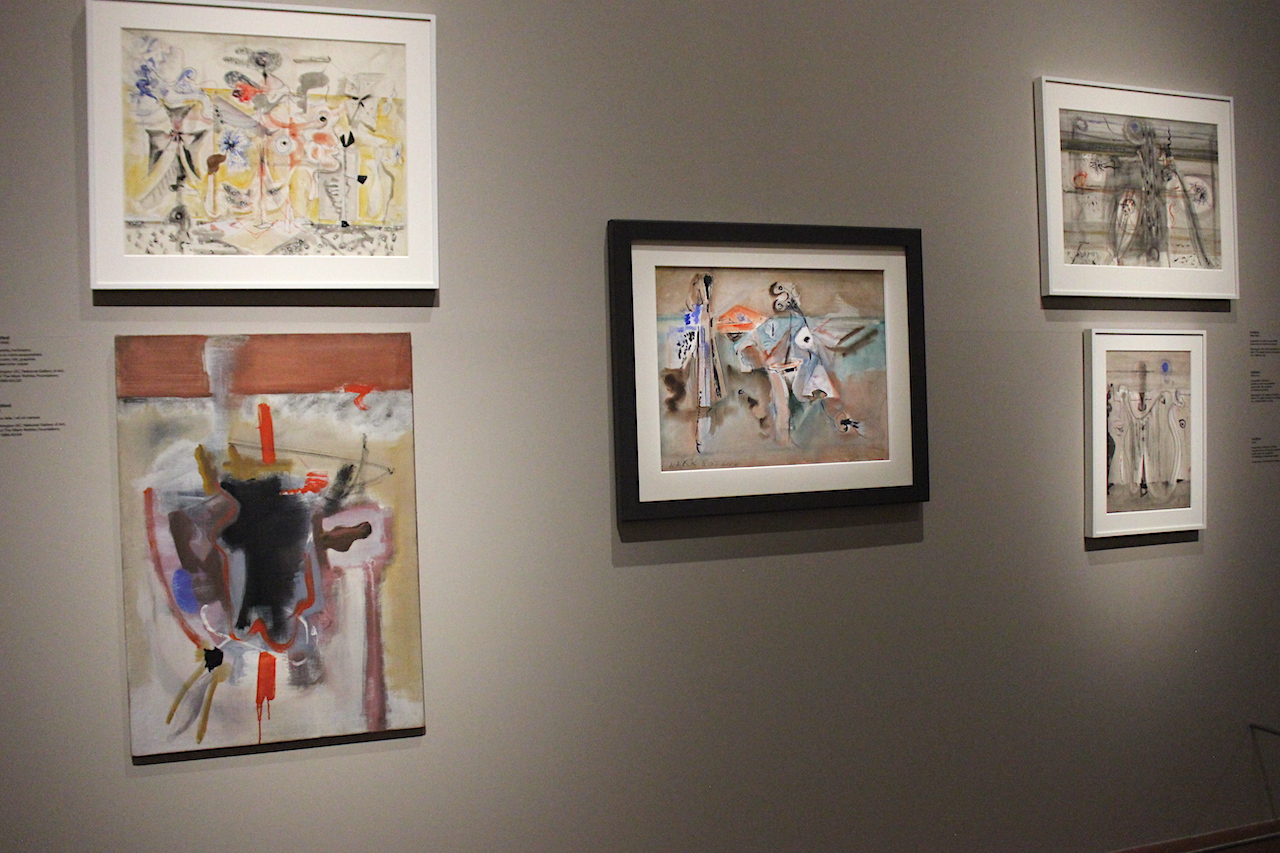
A glimpse of the Rothko exhibition in Florence with works in the Figuration and Surrealism section
Rothko expresses himself through color, brushstrokes that transcend the two-dimensionality of the canvas, reaching straight to the heart. They are fluid, intense, dark yet vibrant colors. The canvases, often monumental, are entirely covered in color, excluding every trace of brushstroke, a way to eliminate all distractions, a way to offer those who admire them an experience we might define as spiritual.
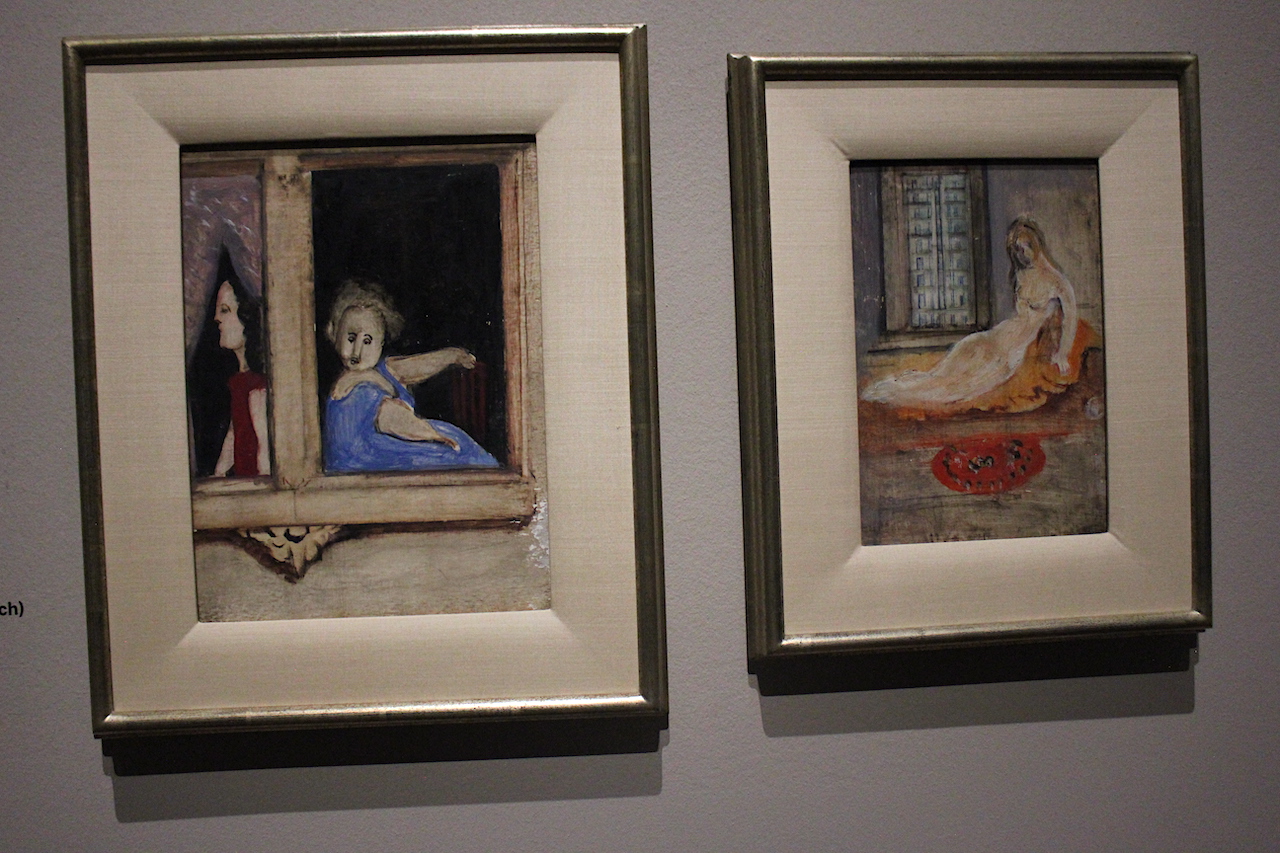
From left: Untitled (Two women at a window), 1938-39. Right: Untitled (Woman Reclining on a Couch), 1938-39
As a designer, I find Rothko’s colors poetic, moving, and inspirational. Each time, it’s as if I’m seeing them for the first time. The reds, blues, and blacks are evocative fields that reflect emotions like loneliness and fragility. Who knows what Rothko was feeling when he painted these masterpieces?

Banner of the Rothko exhibition in Florence
Mark Rothko was a man and an artist, perhaps an anguished outsider in the art world. He never adhered to a particular movement or a common vision, and he rejected banal labels like “colorist” or abstractionist. What probably interested him most was the representation of human precariousness.
“An adventure into an unknown world, which can only be explored by those willing to take the risk.” Mark Rothko “A painting is not the image of an experience. It is an Experience.” Mark Rothko
The Florence exhibition also explores the artist’s relationship with Italian art. Rothko’s early works reveal the influence of fifteenth-century art, particularly that of Beato Angelico. The exhibition project also extends to the Museo di San Marco and the Vestibule of the Biblioteca Medicea Laurenziana.
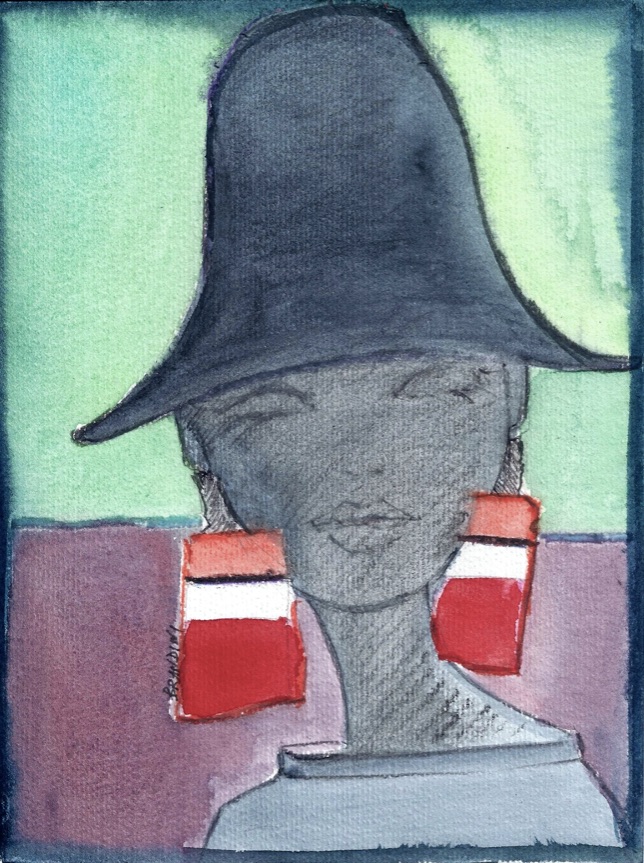
Muse 2 by Beatrice Brandini
“For us, art is an adventure into an unknown world, which can only be explored by those willing to take risks.” Mark Rothko
Good luck to everyone!
Beatrice