

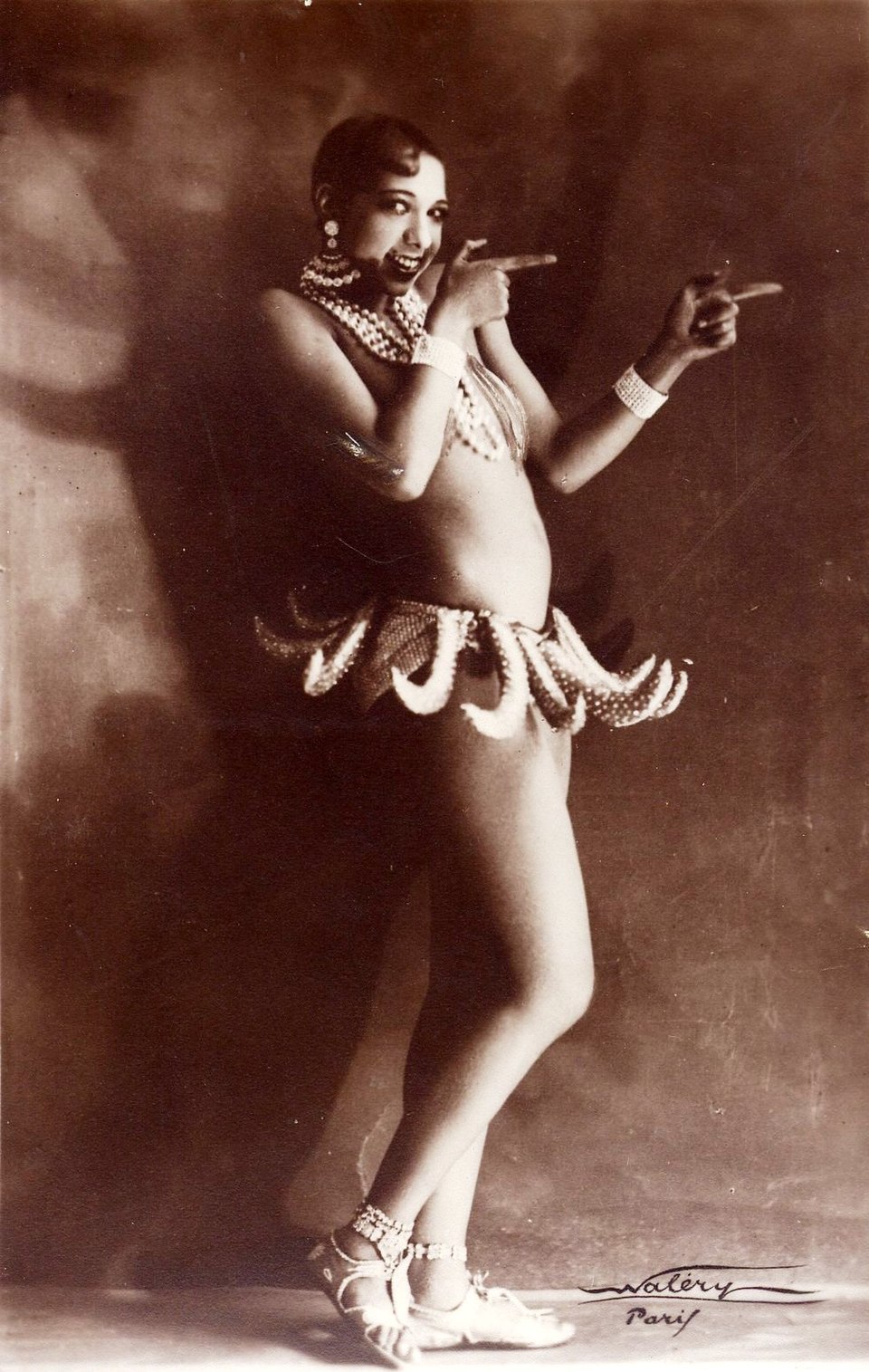
Joséphine Baker
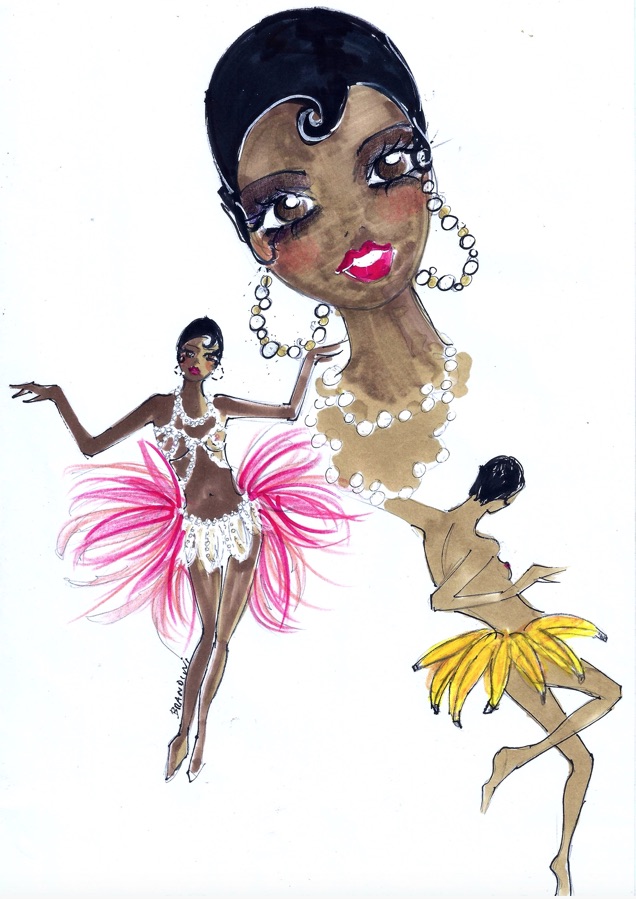
Joséphine di Beatrice Brandini
In 1975, Joséphine Baker died in Paris, a woman who spent half her life on art and the other half fighting for the rights of minorities.
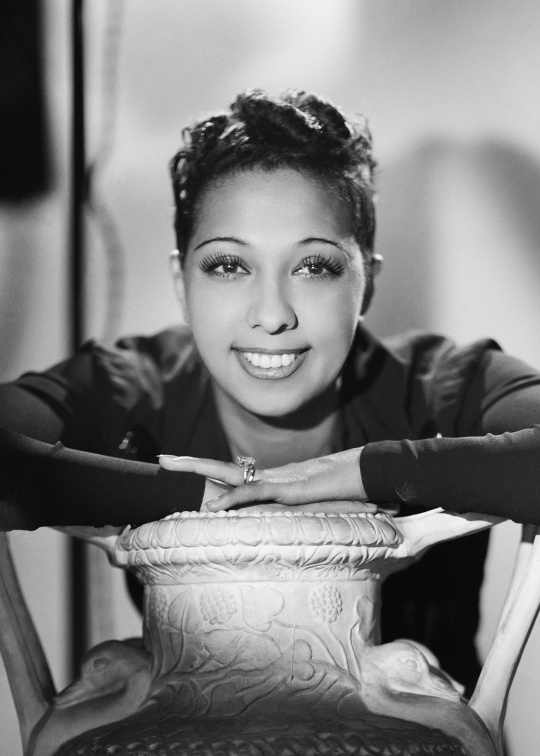
Joéphine Baker, 1940
Born in St. Louis, USA, she realized from an early age that she was unlucky. Her family was extremely poor, during a period of constant racial persecution against black people. She dropped out of school to become a maid (she was a child). After an early and failed marriage, she had already lived several lives by the time she was twenty.
Everything changed when she joined a group of street musicians, where she found her calling. It wasn’t hard to go unnoticed: she was beautiful, young, sensual, and above all, determined. Soon after, she moved to New York, was cast in several important musicals on Broadway, and finally landed in Paris. The rest is history.
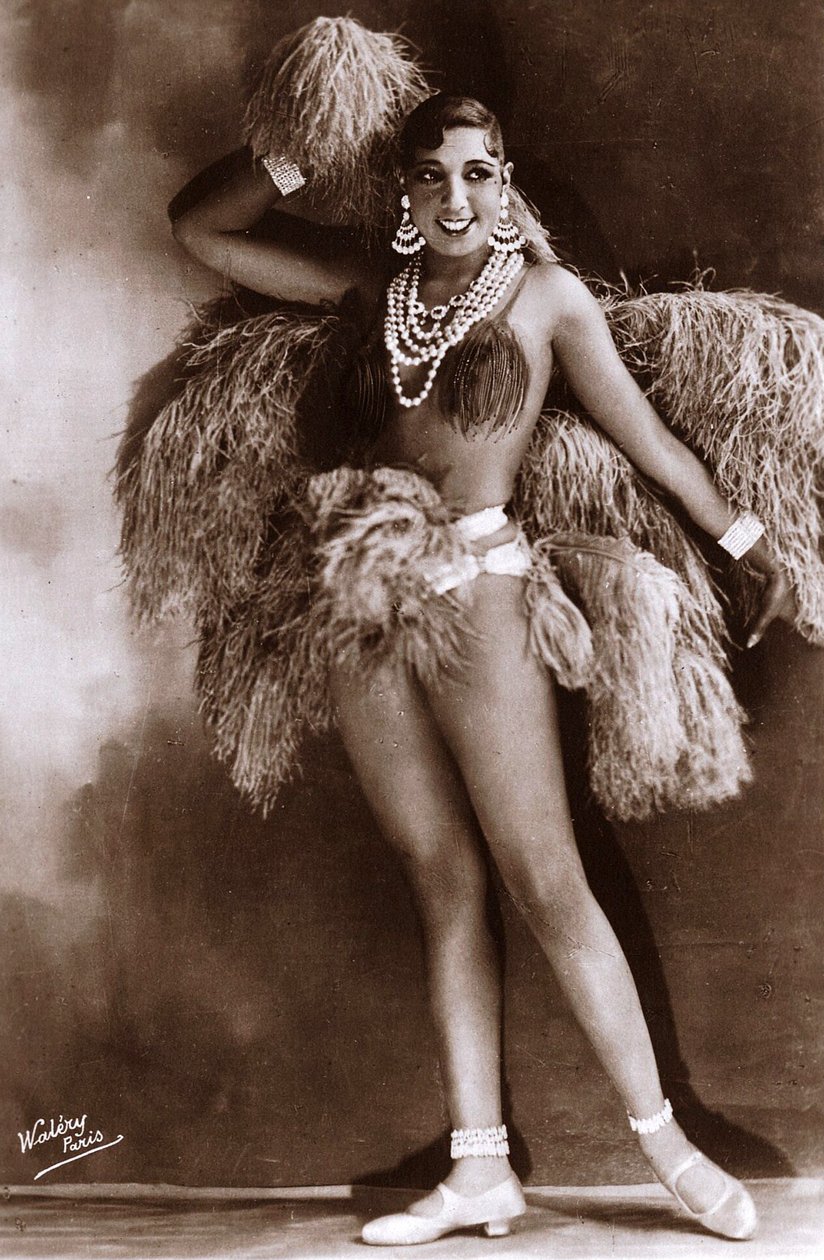
Joséphine Baker
She worked for the most important companies and achieved overwhelming success, eventually landing at the Follies-Bergère, where she became the leading lady.
Her feather skirts, and then banana skirts, swept audiences away. Initially, many were outraged, especially because they were worn by a young black woman, but then they became her trademark and conquered the world. An Italian impresario, Giuseppe Abatino, with whom she developed a close relationship, organized a world tour for her, a tour that reached Austria, Hungary, Romania, Argentina, Chile, and Brazil, making Josephine Baker a true star.
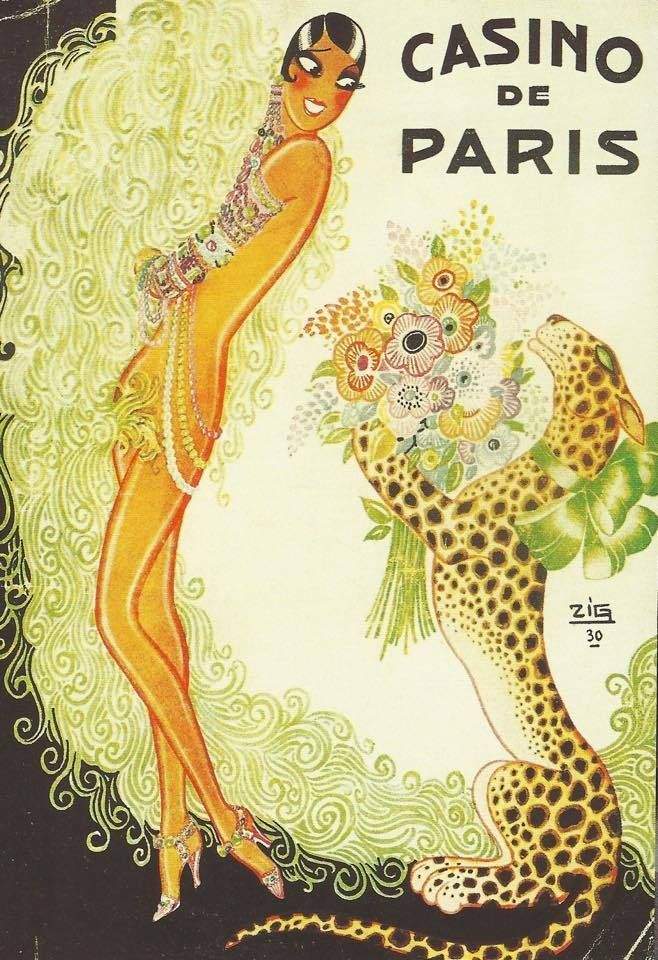
A poster from the Casino de Paris where Baker performed.
She was also an excellent singer and a powerful actress, the first black woman to star in a major European production, with La Sirène des Tropiques by Henri Étiévant and Mario Nalpas.
Meanwhile, she returned to the United States, but her homeland failed to welcome her as she deserved; racism and prejudice, as well as a sense of false puritanism, prevailed. In a historical period marked by the rise of totalitarianism and intolerance, she was rejected by some theaters, such as Berlin, where the Nazi government prevented her from performing.
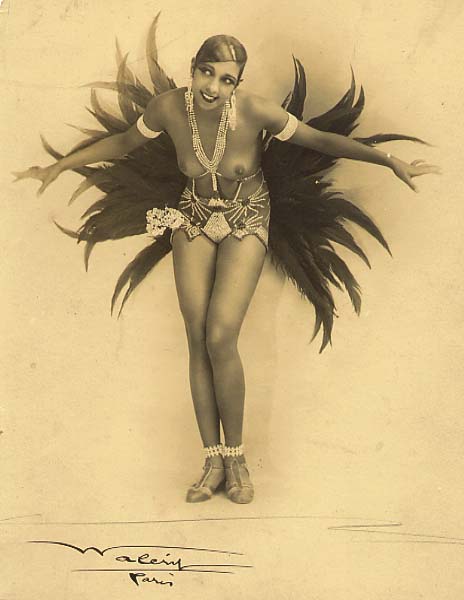
Joséphine Baker
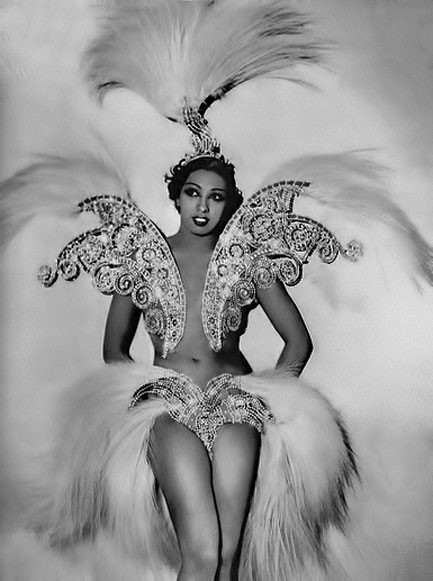
Joséphine Baker
But Baker was certainly not a woman to be intimidated or discouraged. For the French government, to whom she was grateful for welcoming her and making her famous, she became a sort of “spy,” working for counterespionage from Free France. In 1961, Charles de Gaulle awarded her the Legion of Honor, thanks to all the information she managed to gather, contributing to the French resistance.
She always fought for civil rights, even alongside Martin Luther King. She was one of the first artists to perform for mixed audiences, boycotting theaters where she was supposed to perform for white audiences only.
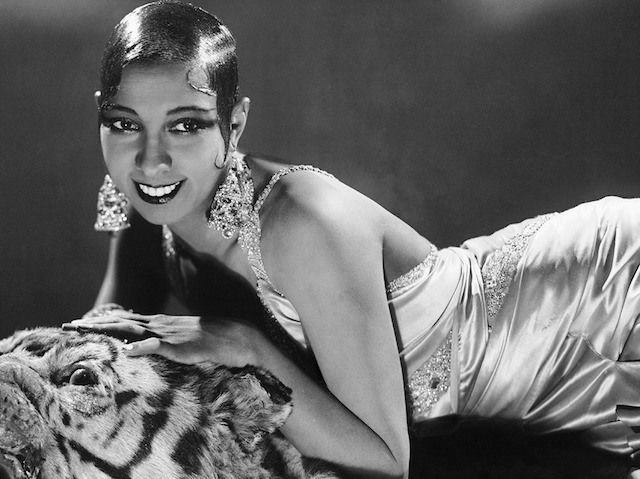
Joséphine Baker
She also adopted 12 children of different nationalities, cultures, and religions, grateful for her success, but also aware of where she came from, a great generosity and altruism that those who achieve success and wealth don’t always share with others.
In 2021, she was symbolically welcomed (the first performer and the first Black woman) into the Panthéon in Paris.
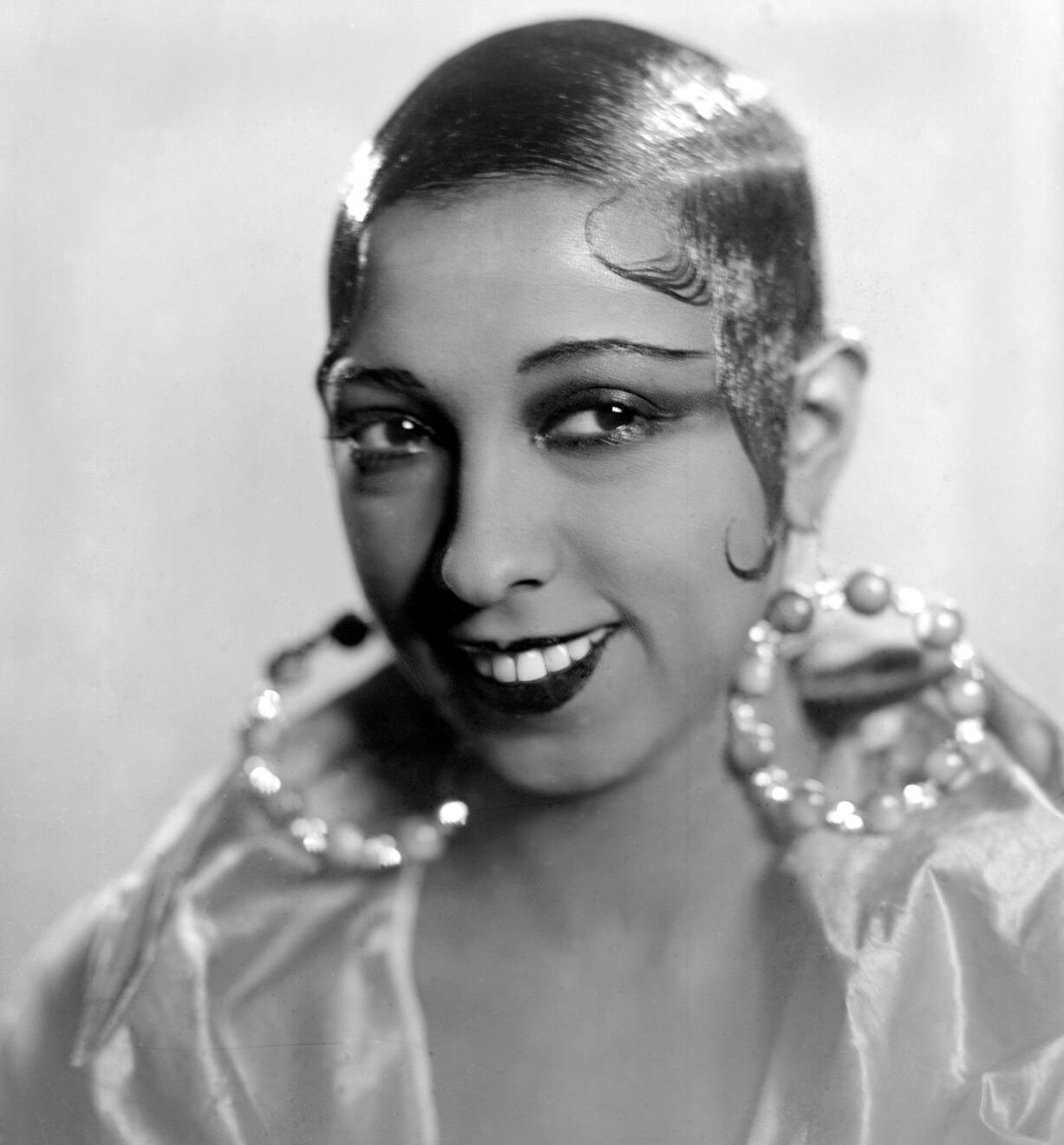
Joséphine Baker
“The most beautiful woman a human being has ever seen”, was how Ernest Hemingway described Baker. I say she had it all: talent, beauty, and so much humanity.
Good life to everyone!
Beatrice